Global central bankers signal end of forward guidance at ECB’s forum

Summary
The Sintra forum made clear that while central banks remain committed to transparency, they are no longer willing to pre-commit to future rate paths.
Global central bankers used this year’s European Central Bank (ECB) Sintra forum to send a coordinated message that the era of explicit forward guidance is coming to an end.
“Forward guidance” refers to pre announcing the future path of interest rates. It has been a central tool of monetary policy since the 2008 global financial crisis, used to stabilise expectations and influence borrowing costs. The shift, confirmed across multiple public statements, marks one of the most significant changes in monetary policy communication since the post 2008 period.
The forum, held from 29 June to 1 July in Sintra, Portugal, brought together Federal Reserve Chair Kevin Warsh, ECB President Christine Lagarde, Bank of England Governor Andrew Bailey and Bank of Canada Governor Tiff Macklem. All four avoided signalling where interest rates are headed, instead emphasising data dependence and flexibility.
Warsh, who has been Fed Chair since May, declined to offer any hint on the July rate decision, both at his 17 June press conference and again at Sintra. He argued that pre committing to a rate path leaves central banks constrained when conditions change, a position widely shared among his peers. CNBC’s reporting from the event confirms Warsh’s stance, noting that he “declined to give any signal” on upcoming rate moves and stressed that inflation remains too high.
Other outlets also reported that Warsh explicitly ruled out forward guidance, saying the Fed “will not provide forward guidance” and will instead rely on real time data and a meeting by meeting approach.
Lagarde echoed Warsh’s reservations, saying she had felt “bound and compelled” by forward guidance in the past. She defended the ECB’s recent rate hike and said future decisions will be driven by incoming data rather than pre announced paths. She also clarified that the ECB is not abandoning communication altogether, describing the new approach as “framework guidance”, which explains how the bank interprets data rather than predicting future moves.
Bailey agreed that forward guidance becomes “problematic over time” and is harder to withdraw than to introduce. Macklem similarly aligned the Bank of Canada with the shift, saying highly prescriptive guidance is no longer viable in today’s uncertain environment. The stance has been described by analysts as a “structural shift in central bank communication”.
The move reflects a broader trend: inflation remains elevated across major economies, uncertainty persists, and policymakers increasingly believe that rigid guidance limits their ability to respond quickly to shocks.
Nigeria’s monetary authorities appear to be aligning with the global shift toward data dependence. The Central Bank of Nigeria (CBN) has emphasised an evidence based approach in recent Monetary Policy Committee (MPC) communications, stressing long term policy consistency rather than pre committing to future rate paths.
The CBN’s decision to hold its benchmark rate at 26.5% during its 305th meeting in May was delivered without advance signalling, highlighting its transition toward a formal inflation targeting framework. Analysts say this approach could heighten market sensitivity to upcoming domestic inflation releases, FX reserve data and liquidity conditions, mirroring the data dependent pivot seen among major global central banks.
FP Markets analyst Aaron Hill said the shift represents a return from the Bernanke era transparency framework to the more opaque Greenspan-style of communication. With policymakers no longer signalling future moves, Hill warned that markets will place greater weight on raw economic data, increasing volatility around major releases.
The retreat from forward guidance signals higher market volatility, as investors interpret data without central bank signposts; greater policy flexibility, allowing central banks to adjust quickly to shocks; and a more uncertain rate environment, especially as inflation remains above target in the US and parts of Europe.
The Sintra forum made clear that while central banks remain committed to transparency, they are no longer willing to pre-commit to future rate paths, marking a decisive end to one of the defining tools of post crisis monetary policy.
Other Photos/Videos
-
Airtel rolls out Africa’s first Starlink mobile service in DRC
The satellite to mobile service is expected to be particularly valuable for transport operators, humanitarian ...
-
AFC raises CHF 350 million digital bond in Swiss market
The digital bond expands AFC’s capacity to finance transformational infrastructure across Africa.
-
Carney-Dangote meeting serves Canada-Africa investment relations
As Canada pivots toward Africa, Aliko Dangote’s meeting with Prime Minister Mark Carney signals a new phase of ...
-
Dangote, Sinoma in $800m deal to boost Nigeria’s manufacturing push
Dangote’s expansion deal strengthens Nigeria’s industrial policy goals and accelerates the country’s push ...
-
Afreximbank raises record $1.5 billion in dual-tranche Eurobond
The transaction attracted strong demand from international investors across the UK, Europe, Asia and the United States, ...
-
ATIDI’s financial results highlight rising role in African investment
Since its establishment, the institution has facilitated more than $93 billion in trade and investment across Africa ...
-
Gov Lawal inaugurates $200 million lithium mining plant in Zamfara
Speaking during the inauguration on Saturday, Governor Dauda Lawal said the project would help unlock Zamfara’s ...
-
AfDB conference calls for stronger African agency in shifting global order
Over the three-day event, participants examined how Africa can strengthen its financial agency, deepen domestic capital ...
-
Afreximbank President visits African Medical Centre of Excellence, Abuja
In its inaugural year, AMCE registered over 5,000 patients from more than 20 countries across four continents, underscoring ...
-
BOI appoints manager for $170.6m digital and creative industry fund
The fund targets a net internal rate of return of 20% and a net money multiple of 2.4x, with the government’s junior ...
-
$2.3 trillion wiped off Magnificent Seven as ‘great AI reckoning’ begins
Microsoft, Amazon, Alphabet, and Meta are collectively spending hundreds of billions of dollars on AI infrastructure. But ...
-
China signals policy priorities for investors and global business
China’s next five-year development blueprint places greater emphasis on innovation, domestic demand, industrial ...
-
AFC secures €108 million to boost Togo’s food security
The deal marks AFC’s inaugural sovereign investment in Togo, expanding its government-financing footprint across ...
-
S&P assigns Afreximbank investment grade rating
Afreximbank said the ratings reinforced its strong financial standing and its critical role in driving trade, ...
-
Dangote receives $600 million backing for fertiliser expansion project
This investment marks another important milestone in our long-standing partnership with Africa Finance Corporation as we ...
-
IMF issues cautious praise for Nigeria’s reforms, warns of hardship
The report says reforms have strengthened resilience, but poverty remains high and flags governance, security, electricity, ...
-
Tobias Adrian to leave the IMF in August
Prior to joining the IMF, Adrian held several senior positions at the Federal Reserve Bank of New York.
-
Cassona wins medical and diagnostic excellence award
The award followed an extensive industry review, which assessed equipment quality, reliability, technical support, ...
-
Ecobank raises $450 million in world’s first Nature Bond on London Stock Exchange
Ecobank said 81 per cent of the eligible lending pool is allocated to countries where agricultural land‑use change is the ...
-
Elon Musk’s SpaceX plans biggest IPO in history to shake Wall Street
Software captured the first wave of excitement around artificial intelligence, but infrastructure is where the next ...
-
CBN, market dealers introduce overnight financing rate
The CBN said the NOFR is a market-based reference rate, distinct from CBN monetary policy rates, such as the Monetary ...
-
Mobile money transaction value reaches $2 trillion – GSMA report
Over 60% of mobile money providers believe that interoperability, know-your-customer, and consumer protection regulations ...
-
Services expansion not scaling prosperity in least developed economies
The UNCTAD report emphasises that services can support structural transformation only when embedded within coherent ...
-
CBN governor affirms banking sector recapitalisation is on course
CBN Governor Olayemi Cardoso also discussed the status of institutions currently under regulatory intervention, noting that ...
-
Profile and reflection on Africa's women leadership ahead of IWD 2026
Emphasising leadership beyond boundaries, Dr Lucy Surhyel Newman tasks African women on systemic impact and collective ...
-
Grene Capital spins out of Actis as independent real asset fund manager
Grene Capital Management Nigeria Limited will continue management of the $82 million Nigerian real estate fund, as the ...
-
MTN is named the best mobile Internet leader in Nigeria
This edition of the report by the Lyon, France-based independent company reveals strong competition among the three major ...
-
Global job quality stagnates despite resilient growth – ILO
The report also highlights the fact that women still face entrenched barriers, largely driven by social norms and ...
-
Abebe Aemro Selassie to retire as Director of African Department at IMF
IMF's Managing Director, Ms. Georgieva, said Selassie has guided the department through a period of profound change and ...
-
UN adopts new consumer product safety principles
The principles affirm the right of all consumers to safe, non-hazardous products sold online or offline, in line with the ...
-
Afreximbank backs Elumelu’s Heirs Energies with $750-million facility
Elumelu noted that the transaction is a powerful affirmation of what African enterprise can achieve when backed by ...
-
Africa needs €240 billion in factoring volumes for SME-led transformation
Africa's SMEs face a financing gap estimated at US$300 billion annually.
-
Japan, AfDB launch youth entrepreneurship and innovation platform
The A-A Platform will ensure a reciprocal exchange of technology and innovation between the two ...
-
Ventures Platform secures $64 million for seed funding
The VP Pan-African Fund II, which is targeting a ...
-
AI investment to pivot to Global South, global investors say
After years of concentration in the Global North, investors now predict a significant rebalancing of AI capital flows ...
-
George Elombi takes over as Afreximbank’s fourth President
Afreximbank will create a new, high-impact financing window, specifically for projects that process raw minerals into ...
-
UNCTAD16 opens in Geneva to chart way for resilient supply chains, others
The global forum sets four-year mandates as leaders chart paths to resilient, inclusive growth.
-
Africa-focused Madica expands portfolio with two new AI startups
Partners with ABAN to expand investment flow and ecosystem networks for portfolio companies.
-
Cassona Global Imaging marks 3rd anniversary
The company has completed two significant installations in Nigeria: a digital X-ray machine in Kano and a 32-slice CT ...
-
WTO agreement on fisheries subsidies enters into force
Adopted by consensus at the WTO's 12th Ministerial Conference in June 2022, the agreement's disciplines prohibit subsidies ...
-
ICRISAT launches 2025–2030 strategy to shape the future of agriculture
Calls for strategic partnerships for a food-secure and sustainable future for over 2 billion people living in the drylands.
-
Sidi Ould Tah assumes office as 9th President of AfDB
Dr. Ould Tah, 60, who hails from the Islamic Republic of Mauritania, was elected on 29 May 2025 with over 76% of ...
-
AFC backs Itana’s $100 million digital economic zone project
One of Nigeria’s foremost tech investors, Iyinoluwa Aboyeji, General Partner at Future Africa, is an investor in ...
-
Gita Gopinath leaves IMF to return to Harvard
Ms. Gopinath joined the IMF in January 2019 as Chief Economist – the first woman in the position – and was ...
-
Dangote retires as chairman of Dangote Cement
Emmanuel Ikazoboh, former group chairman of Ecobank Transnational Inc., will fill the role vacated by Dangote, whose ...
-
Open Society announces fellowships for four Nigerian public intellectuals
The Open Society Fellowship will support critical thinkers in seven cities across Africa, Asia, Latin America, and the ...
-
IMF commends reform at Federal Inland Revenue Service
FIRS said the IMF has been a critical stakeholder in its journey towards tax system reforms targeted at improving domestic ...
-
AWIEF opens nominations for 2025 awards for Africa’s women entrepreneurs
“The AWIEF Awards are not just about recognition – they are about empowering and amplifying the voices of women ...
-
Uganda Secures $800 million from IsDB to fund development through 2027
This resource mobilisation will primarily be used to build climate-resilient infrastructure, particularly in the transport ...
-
African Development Bank elects Sidi Ould Tah ninth president
Addressing the Bank Group’s governors and the media shortly after the announcement, Tah said, “Let’s go ...
-
Zenith Bank delivers total dividend of N5.00 per share for full year 2024
The Group Managing Director/Chief Executive Officer of Zenith Bank, Adaora Umeoji, expressed appreciation to the ...
-
Dangote, other business leaders join World Bank private sector lab
Apart from Dangote, the new members of the lab are Bill Anderson, CEO, Bayer AG; Sunil Bharti Mittal, Chair, Bharti ...
-
IMF warns of global public debt approaching 100 percent of GDP
Country-specific responses will be critical in maintaining stability and avoiding further deterioration in public finances, ...
-
Tariffs stir inflation fears in US but offer targeted industry gains –GlobalData
'Striking the right balance between domestic industry protection and inflation management will be critical for sustaining ...
-
CBN net reserve hits $23.1 billion, the highest in three years
Gross external reserves also increased to $40.19 billion at the end of 2024, compared to $33.22 billion at the close of ...
-
TCN assures fully functional SCADA system in six months’ time
The power transmission company also hints on its capacity to evacuate 10,000MW within the next two years.
-
Obasanjo, other leaders to launch new debt relief initiative for Africa
Nigerian former president Olusegun Obasanjo and other former African government leaders have come together to sign the Cape ...
-
NASENI rolls out policy for commercialisation of innovation products
The agency’s products include computer laptop, electric tricycle (Keke), Android smartphone, and solar irrigation ...
-
Nigeria to host 2025 annual meetings of Afreximbank
The 2025 meeting will focus on enhancing trade financing for African businesses, strengthening cross-border trade and ...
-
Spiro partners Davido to drive electronic mobility across Africa
Spiro said this partnership will inspire a movement that champions electric mobility and sustainable living.
-
Global economic recovery is losing steam, new ILO report says
Geopolitical tensions, the rising costs of climate change, and unresolved debt issues are putting labour markets under ...
-
Access Bank to acquire Mauritius-based Afrasia Bank
Afrasia Bank posted total assets of more than $5.7 billion at the end of its fiscal year ended 30 June 2024.
-
Senegal announces Amadou Hott's candidacy for AfDB President
The Government of Senegal, through the Ministry of African Integration and Foreign Affairs, officially launched the ...
-
Non-oil sectors drive robust growth in GCC countries
According to a new World Bank's report, the region’s average inflation in 2024 remained low and stable at 2.1%, ...
-
Africa Finance Corporation facilitates $200mn financing for BUA Group
The financing, approved by Afreximbank in two tranches, supports BUA’s medium-term objectives by unlocking ... -
Japan commits $421 million to African Development Fund
Japan is a top donor to the African Development Fund, having contributed the largest loans to the 14th, 15th, and 16th ...
-
ECB delivers second straight 25bp cut in interest rate
The decision to deliver two straight 25bp cuts comes as disinflationary progress is made at a much faster rate than ...
-
WTO selects University of Nigeria, others for trade research programme
Funded by France, Austria, the Republic of Korea, and Australia, the WTO Chairs Programme has grown as it seeks to address ...
-
Lucy Newman emerges Modern Governance 100 honoree
This year’s honorees include representatives across 18 countries, who were nominated by their peers and executive ...
-
Finance Minister Wale Edun says no plans to raise VAT to 10pct
The minister assured the public that any future tax reforms would be announced through official government channels to ...
-
Bank using sustainability to drive Uganda's socio-economic development
"UDB remains committed to fostering inclusive economic growth through strategic investments in sectors that drive ...
-
IMF Deputy Managing Director Antoinette Sayeh to retire from the Fund
IMF said Ms. Sayeh made notable contributions to key reforms of IMF policies on concessional financing, debt, and capacity ...
-
Afreximbank delivers strong first quarter 2024 results
According to the report, net interest income for Q1 2024 grew by 31.73% to $393.4 million, compared to $298.6 million ... -
AfDB has invested $1.44bn to support infrastructure development in Nigeria
According to the 2020 National Integrated Infrastructure Master Plan, Nigeria requires, between 2020 and 2043, total ...
-
Ali Pate to deliver keynote speech at NDFF 2024 Conference
The honourable minister will be speaking on the subject, “Transforming Nigeria’s Population Health: Crowding in ...
-
Euromonitor forecasts Sub-Saharan Africa GDP to grow to $4.5trn by 2040
Rising consumption, commodity exports, and foreign direct investment are expected to drive Africa’s economic growth, ...
-
Africa Finance Corporation appoints Emeka Emuwa as Chairman of Board
Emuwa has been a part of AFC’s Board since 2015.
-
Nigeria Development and Finance Forum 2024 Conference to hold in May
Themed “The Road to Economic and Social Welfare Transformation,” NDFF 2024 Conference aims to provide a strong ...
-
Afreximbank acts as Joint Global Coordinator on BADEA's €500m social bond
BADEA issued a debut EUR 500mn 3-year social bond with use of proceeds to fund eligible projects under the issuer’s ...
-
Turk Eximbank joins AFC as inaugural non-African shareholder
The equity subscription from Türkiye’s export credit agency advances AFC’s mission to be the bridge ...
-
NextGen US battery materials company names Abbey Omokhodion as CFO
Ms. Omokhodion’s strong industrial background and track record of success at Ford, GE, and most recently Intel, is ...
-
ILO Director-General advocates for elimination of gender-based violence
“Violence and harassment against women and girls know no borders, not even the workplace,” said the DG of the ...
-
AfDB to invest $252mn in Uganda’s rural transport, regional integration
The financial support consists of two loans: $179.68 million from the bank and $73.15 million from the African Development ...
-
Moghalu appointed to chair Advisory and Executive Boards of APSS
APSS is a pan-African, private sector-led non-profit organisation that promotes trade and investment in Africa and ...
-
Zambia reaches agreement with external bondholders on debt restructuring
The proposed restructuring terms provide both substantial up-front debt relief and future relief commensurate with Zambia's ...
-
Afreximbank, Export-Import Bank of China sign $600 million facility
The facility is expected to help in catalysing trade financing between Africa and the People's Republic of China, thereby ...
-
Stanbic IBTC to become a sustainability-certified financial institution
Stanbic IBTC embarks on a holistic sustainability journey, begins implementation of global sustainability standards ... -
Africa Private Sector Summit appoints Lucy Newman as CEO
The Pan African private non-partisan, non-profit organisation calls for nomination of candidates into its Advisory and ...
-
Saudi Arabia launches master plan to make country a logistics hub
In April 2023, the Kingdom jumped 17 places globally in the World Bank's Logistics Performance Index, advancing to the 38th ...
-
Afreximbank leads $155m facility for Djibouti ports and free trade zone
The deal is targeted at supporting the development of a trade-enabling infrastructure to assist Djibouti in achieving its ...
-
ATI attracts Japan’s export credit agency as latest shareholder
ATI expects to support many more Japanese manufacturers, traders, exporters, and financial institutions seeking for ...
-
MultiChoice, partners to launch integrated payment platform
Moment will also offer additional options for consumers to spend and save money.
-
Global fintech firm Admirals expands presence to Nigeria
The fintech is licensed in the UK, Cyprus, South Africa, Australia, Jordan, Canada, and Estonia.
-
Shelter Afrique targets African diaspora for affordable housing delivery
Since 2000, five countries, namely Kenya, Nigeria, Ethiopia, Ghana, and Rwanda, with an estimated total diaspora population ...
-
IMF survey shows decrease in global portfolio asset holdings
Elevated risk aversion amid increasing energy prices, heightened geopolitical and inflation risks, and tightening monetary ...
-
Ecobank Group announces Jeremy Awori as its new CEO
Jeremy Awori brings over 25 years of experience in the banking industry into his new role.
-
Thabo Mbeki to lead Commonwealth observers for Nigerian elections
“This month’s elections hold immense significance not just for Nigeria, but for the entire African continent ...
-
SentBe expands its cross-border money transfer service to the U.S.
According to the World Bank, the U.S. is the largest outbound remittance market in the world with $72,669 million ...
-
AFC receives $38 million in new equity contributions
“This boost to our share capital enhances AFC’s mandate to provide African solutions to African challenges, ...
-
Ventures Platform closes fund above initial $40 million target
“We are honoured to have the breadth of both local and global investors who have bought into our vision and who ...
-
IFC provides Airtel Africa $194 million in local currency loans
IFC said its digital strategy in Africa aims to enable ubiquitous, reliable, and affordable connectivity.
-
U.S. jobs report to trigger market volatility
The US economy added a robust 263,000 jobs in November 2022. The figure beat the projections of about 200,000 new jobs by ...
-
Rising inflation brings striking fall in real wages, ILO report
The report estimates that global monthly wages fell in real terms to minus 0.9 per cent in the first half of 2022 – ...
-
African Development Bank offers FCMB $50 million credit line
The project is expected to improve access to finance for at least 50 enterprises: 29 in the agribusiness and manufacturing ...
-
Report pushes financing for Africa's climate adaptation as agenda for COP27
Adaptation finance is scaling too slowly to close the investment gap in Africa, even as the costs of inaction rise. – ...
-
Africa Finance Corporation issues $389 million Samurai loan facility
The transaction marks AFC’s second foray into the Japanese capital markets, following an inaugural Samurai loan ...
-
EIB provides MTN Nigeria EUR 100 million financing
Investment to enhance capacity and expand coverage of the 4G network in Lagos and Ogun States.
-
Ibukun Awosika appointed to the global advisory board of Binance
The transparency and accountability with which Binance seeks to deliver services to its clients is impressive – ...
-
New report addresses climate change risks and opportunities in insurance
The report delves into the strategies and tactics needed to move forward in an evolving risk landscape.
-
World leaders advocate support for climate adaptation for Africa
Africa needs to invest massively in adaptation and resilience – President Macky Sall.
-
Flutterwave secures CBN switching and processing license
The company has an infrastructure reach in over 34 African countries, including Nigeria, Uganda, and South Africa.
-
South Africa’s Sasol signs MoU on green hydrogen and ammonia
South Africa is poised to become a global hub for green hydrogen and its derivatives, such as ammonia and sustainable ...
-
Banking stakeholders express commitment to sustainability
Participants who spoke at the event were unanimous in their view that a general adoption of Sustainability Standards will ...
-
UN chief calls record profit by oil majors ‘immoral”
The combined profits of the largest energy companies in the first quarter of this year are close to US100 billion, said the ...
-
Access Bank joins African Natural Capital Alliance as a founding member
Access Bank said its proactive involvement with the alliance reiterates its stance on protecting the environment.
-
BUA Cement declares N88 billion dividend payout
BUA recorded revenue growth of 22.9 percent, from N209.4 billion in 2020 to N257.3 billion in 2021. Profits After Tax also ...
-
FG to deliver two 330kV transmission substations in Katsina, Kano
The 330/132/33kV Rimin Zakara Substation in Kano State is about 80% completed and the transmission line that will bring ...
-
Nigerian commodities exchange expands operations to Kenya
AFEX has over 126 warehouses in Nigeria with a storage capacity of 314,000MT.
-
UPS to expand vaccine equity programme to Nigeria, Kenya
UPS has delivered nearly 1.5 million COVID-19 vaccine doses via drone to underrepresented populations, as well as rural and ...
-
Global Centre on Adaptation to Support Côte d’Ivoire on ESG projects
MoU aims to enhance and increase the share of adaptation and resilience investments financed by Côte ...
-
UBA redeems USD500 million 5-year Eurobond
Issued in 2017, the five-year bond was offered at a coupon rate of 7.75 percent.
-
AFC launches $2bn facility for economic recovery, resilience in Africa
Over the last 15 years, AFC has built experience mobilizing global capital for critical infrastructure projects in Africa ...
-
Abdulaziz confirmed as MD/CEO of Transmission Company of Nigeria
Abdulaziz was noted for his collaborative management approach, which TCN said also engendered synergy and consultation ...
-
World Bank approves $200mn for Ghana to accelerate digital transformation
Digital is one of Ghana’s best-performing sectors and grew on average by 19% per year between 2014 and 2020.
-
Singapore-based agribusiness to expand to Nigeria with IFC facility
Robust primarily trades in specialty crops such as cashews, sesame, ginger, and gum arabic, among others.
-
Analytical infrastructure and data centre expansion in Nigeria’s financial and consumer markets
Nigeria’s digital landscape changed substantially between 2015 and 2021.
-
Serial entrepreneur Peter Adejoh opens luxury hotel in Abuja
Through his Camey & Rock Platform Holdings, Peter Adejoh’s businesses are in banking, fintech, and real estate, ...
-
-
Bank of Industry appoints RMB as Bookrunner for €700 million Eurobond
BOI, the first African national DFI to issue a public Eurobond, has a vision of transforming Nigeria’s industrial ...
-
IFAD announces shift to ethical investments
Going forward, IFAD will proactively increase its investments in green bonds and other ESG securities.
-
Climate risk and social crisis are top global risks in 2022 – WEF
Most experts believe a global economic recovery will be volatile and uneven over the next three years.
-
Pierre-Olivier Gourinchas to succeed Gita Gopinath as IMF Chief Economist
Pierre-Olivier Gourinchas received his PhD in 1996 from the Massachusetts Institute of Technology.
-
Recent project activities of Transmission Company of Nigeria
TCN is executing new transmission projects even as it is completing old ones, in line with its Electricity Grid ...
-
Ventures Platform attracts NSIA, others in first close of new $40mn fund
To date, Ventures Platform’s portfolio has raised over US$500 million in follow-on rounds.
-
AfDB approves $210mn loan for Nigeria’s agro-industrial processing zones
The first phase of the project will be implemented with co-financing from other partners in the amount of $538.05 million.
-
Access Bank wins multiple awards at 2021 Brandcom award ceremony
Access Bank’s vision is to be the world’s most respected African bank. This has made the bank to embed ...
-
EMEA Finance recognises Access Bank as Africa’s Best and Most Sustainable Bank
Access Bank will continue to deliver value to all its stakeholders – Access Bank CEO, Herbert Wigwe.
-
Global investor calls for standardised rules against ‘greenwashing’
ESG-compliant investment decision is the hottest investment megatrend and this is set to grow.
-
Asia, MENA regions account for 76 percent value of Sovereign Wealth Funds
Nigeria’s SWF is managed by Nigeria Sovereign Investment Authority (NSIA).
-
Uzoma Dozie’s Sparkle raises $3.1 million in seed round
The all-Nigerian funding round will see the lifestyle fintech platform invest in infrastructure and scale across the ...
-
IMF revises downward 2021 global growth forecast on weak momentum
Sub Saharan Africa is projected to grow at 3.7 percent (up from 3.4 percent). While Nigeria's growth projection at 2.6 ...
-
Ford Foundation appoints Aniagolu-Okoye Regional Director for West Africa
Aniagolu-Okoye to lead the foundation’s office of West Africa and oversee its grantmaking, external relations and ...
-
Access Bank honoured at Global Finance 2021 Sustainable Finance Awards
Global Finance considered that Access Bank is the first African bank to be recognized as qualified for the 2X Challenge, an ...
-
Detail Commercial Solicitors announces management restructuring
“This announcement gives me great pleasure because it speaks to organic growth with flavourings of longevity, ...
-
AfDB, partners to mobilise $520 million for Nigerian agro-processing zones
Nigerian finance minister Zainab Shamsuna Ahmed named the seven states that will participate in Phase 1 of the programme as ...
-
IMF announces allocation of US$650 billion Special Drawing Rights
The SDR is an international reserve asset, created by the IMF in 1969 to supplement its member countries’ official ...
-
UN confirms food systems summit for September 23rd
One in 10 people go hungry every day.
-
Moove raises $23 million to expand mobility, vehicle ownership in Africa
The start-up was initially bootstrapped by its co-founders with seed stage funding from Future Africa, an Africa focused ...
-
Capitis boosts SME, payroll lending with N360 million in Series A funding
EFInA 2020 survey report shows 27 per cent of Nigeria's 106 million adults have savings accounts and only 2 per cent have ...
-
IFC invests in Convergence Partners’ fund for digital access in Africa
Africa is ready for high throughput pervasive fibre networks, independent hyperscale data centres, edge, AI, 5G and IoT. ...
-
African leaders prioritise policies to support youth and women
The aim of the UN Food Systems Summit is to deliver progress on all 17 of the SDGs through a food systems approach.
-
-
IFC partners OCP Africa on fertiliser for African farmers
IFC’s $100 million financing will help OCP Africa, a subsidiary of OCP, expand its logistics networks and increase ...
-
-
DFIs pledge $80 billion investments in African businesses over the next 5 years
DFIs play an important role in helping to build markets, mitigate risk and pave the way for other investors to enter new ...
-
FirstBank emerges Second Most Admired Financial Services Brand in Africa
With over 127 years history, FirstBank has its financial services footprints – through its subsidiaries – in ...
-
EIB pledges €170 million for starting National Development Bank of Ghana
The EIB last year provided EUR 5 billion for public and private investment across Africa.
-
MTN issues first telco industry bond in Nigeria
The issuance was MTN Nigeria’s debut in the domestic bond market and the first corporate bond to be issued by a ...
-
Access Bank supports efforts to eradicate malaria in Africa
About 155 million people suffered from malaria in Africa in 2018, compared to 4.5 million people so far infected with ...
-
Fintech app usage up 61 per cent year-on-year
The question on whether the upsurge in the usage of fintech is a long-term one will be answered as lockdown restrictions ...
-
IFC partners Nigeria’s LAPO to expand microfinance in sub-Saharan Africa
IFC said supporting financial inclusion is an important part of its strategy in Africa to boost private sector growth and ...
-
NEXIM Bank signs agreement to increase bankable projects in trade sector
NEXIM Bank and Afreximbank said they aim to mobilise up to $50 million in the form of project preparation funds for ...
-
Flutterwave, PayPal partner to allow African businesses to receive payments
The Nigerian unicorn has previously partnered with Visa to launch Barter; Alipay to offer digital payments between Africa ...
-
AfDB calls for debt relief for Africa, projects economic recovery in 2021
Real GDP in Africa is projected to grow by 3.4 per cent in 2021, after contracting by 2.1 per cent in 2020 due to the havoc ...
-
UBA reports N132 billion profit, dividend to reach 52 kobo per share
UBA’s loans and advances to customers reached N2.6 trillion last year, up 24 per cent from N2.1 trillion posted in ...
-
Nigerien president wins 2020 Mo Ibrahim leadership prize
"Today, the number of Nigeriens living below the poverty line has fallen to 40%, from 48% a decade ago," Festus Mogae, ...
-
Facebook launches inspirational book spotlighting African female leaders
Two Nigerian entrepreneurs, Temie Giwa-Tubosun and Tara Fela-Durotoye, are featured in the book.
-
FirstBank unveils accounts to support growth of SMEs
FirstBank’s SMEConnect is a digital platform through which SMEs can access the bank’s services.
-
Zenith Bank grows profit by 10 per cent to N231 billion despite COVID-19 shocks
Zenith Bank said its total assets jumped by 34 per cent from N6.35 trillion in 2019 to N8.48 trillion last year.
-
Ngozi Okonjo-Iweala emerges as first female head of WTO
The new US President Joe Biden had endorsed the candidacy of Okonjo-Iweala, saying she “brings a wealth of knowledge ...
-
Buhari approves creation of N1 trillion infrastructure firm
The International Monetary Fund (IMF) estimates Nigeria's infrastructure stock at 25 per cent of GDP. This is below the ...
-
Ecobank Nigeria completes pricing for $300 million bond issue
The transaction is the first non-sovereign bond issuance in Africa this year.
-
Elon Musk unveils details of $100mn global carbon reduction competition
We want teams that will build real systems that can make a measurable impact and scale to a gigaton level -- Musk.
-
Christensen Institute, MIT Legatum Center launch bootcamp for African innovators
The bootcamp is designed as an eight-session workshop to be hosted in Nigeria, Ghana, Ethiopia, Kenya, Rwanda, Senegal and ...
-
FCMB founder Subomi Balogun hands over paediatrics centre to UI, UCH
Otunba Subomi Balogun is a well-known statesman, entrepreneur and philanthropist with several charitable projects and ...
-
Biden calls for unity in his inaugural speech as US President
Shortly before he took the oath of office, Kamala Harris made history as the first female, first black and first ...
-
Afreximbank and partners to promote factoring in Africa
FCI, an association of institutions offering factoring services around the world, said the global factoring market was ...
-
Aluko & Oyebode wins Nigeria Law Firm of the Year award by Chambers
The other nominees for the Nigeria award were Banwo & Ighodalo; G. Elias & Co; Jackson, Etti & Edu; Olaniwun ...
-
UNDP launches digital tool for investments to achieve SDGs in Nigeria
According to UNCTAD, developing countries alone face an annual funding gap of $2.5 trillion to achieve the SDGs.
-
Elon Musk tops list of world’s richest people with $190 bn net worth
Born in South Africa, Musk has several inventions to his name, including being the Co-founder of PayPal.
-
Access Bank completes acquisition of Zambian commercial bank
Cavmont Bank is expected to be merged into Access Bank before the end of January 2021.
-
Buhari signs N13.59 trillion budget for 2021
The budget components include non-debt recurrent expenditure of N5.64 trillion and N4.13 trillion for capital expenditure.
-
Afreximbank expands trade finance intermediaries to boost local economies
Accredited institutions in Nigeria are Access Bank Plc, First City Monument Bank Ltd, Fidelity Bank Plc, First Bank of ...
-
World Bank approves $1.5 bln loan for Nigeria to support COVID-19 recovery
Government revenues could fall by more than $15 billion this year due to the pandemic.
-
EU leaders reach deal on 55 per cent carbon emissions target by 2030
The deal is expected to help the 27-member bloc achieve its green transition plan, which entails reaching net-zero GHG ...
-
Access Bank wins Women in Marketing and Communications Awards 2020
Access Bank will continue to strive to ensure that women are empowered – Herbert Wigwe.
-
Flour Mills of Nigeria CEO Gbededo retires after 38 years at the group
Following his retirement, Gbededo will remain on the board of FMN as Vice Chairman, an appointment that is effective from ...
-
COVID-19 has widened energy accessibility gap, says new GCEEP report
Many Nigerians are among over 100 million people worldwide to see their electricity access disconnected because they ...
-
Africa’s internet GDP to reach $180 billion by 2025, says Google, IFC
Africa is home to 700,000 developers, out of which 85,000 (12 per cent) are in Nigeria.
-
Transcorp acquires Afam Power for N105 billion
Founded in 2004, Transcorp is a leading diversified conglomerate with portfolio companies in the hospitality, power, and ...
-
Afreximbank, others launch $1.5 billion COVID-19 response facility
Support under the facility will be available through direct funding, lines of credit, confirmation and refinancing of ...
-
MTN Nigeria appoints Karl Toriola as CEO designate
MTN Nigeria is the largest-listed company in Nigeria with a market capitalisation of N2.85 trillion as of October 26, ...
-
Mastercard Foundation-backed fintech accelerator launches in Ghana
The main objective is to accelerate access for MSEs to markets through digitization and e-commerce platforms.
-
Stripe acquires Nigeria’s Paystack for over $200 million to expand in Africa
Although the terms of the deal have not been disclosed, it is considered the biggest Nigerian startup acquisition thus far.
-
Jack Ma Foundation names finalists for 2020 African entrepreneurship prize
Among the finalists is MIT-trained, Nigerian system engineer, Oluwasoga Oni, whose company provides diagnostic and primary ...
-
Buhari proposes N13.08 trillion spending for 2021
The 2021 proposed budget is based on a foreign exchange rate of N379/$; and 3 per cent GDP growth projection for next year.
-
New Petroleum Industry Bill by Buhari administration to scrap NNPC, PPPRA
Uncertainties and delays in the reform efforts have cost the country an estimated $235 billion, according to Nigeria ...
-
Time magazine names Tunji Funsho among 100 most influential people of 2020
Dr. Funsho was honoured for his work with Rotary International to eradicate wild polio in Africa.
-
Interswitch to restart investments in African startups, says GMD
In July last year, Interswitch was reportedly planning an IPO via a dual listing on the Nigerian Stock Exchange and the ...
-
FITC-NIBSS conference underscores need for cyber resilience in financial sector
CBN Deputy Governor, FSS, Aishah Ahmad, said the apex bank is committed to strengthening its regulatory and supervisory ...
-
Kenya secures $750 million World Bank loan for major road infrastructure
The road infrastructure project in Kenya is part of the Horn of Africa Gateway Development Project (HoAGDP), which is ...
-
Ayuli Jemide emerges chairman of NBA Section on Business Law
In his acceptance speech, Jemide said he would take his responsibilities as Chairman with all sense of duty.
-
United Nations report highlights how digitalisation can help finance SDGs
Digitalisation can help harness the $23.3trn in global domestic savings into investments in sustainable infrastructure.
-
AfDB re-elects Akinwumi Adesina for a second term as President
Nigeria is the AfDB’s largest shareholder and accounts for the bank’s active portfolio of about $5 billion as ...
-
MTN appoints Ralph Mupita as new Group President and CEO
According to MTN, Mupita has played a critical role in the development and execution of the group’s strategy.
-
Dangote Cement grows half-year profit by 5.8 per cent to N126 billon
Dangote Cement's selling and distribution expenses in the half-year period between January and June of this year, declined ...
-
Helios agrees merger deal with Fairfax Africa
The merger between Africa-focused Helios and Toronto-based Fairfax Africa will create a much bigger and diversified ...
-
Jonathan to give keynote address at launch of Joseph Okotie-Eboh Foundation
Former Nigerian External Affairs Minister, Prof. Bolaji Akinyemi, and Fellow of the Nigerian Academy of Science, Prof. ...
-
S&P Global affirms AfDB's AAA rating with a stable outlook
The ratings agency further stated that it expects AfDB to “prudently manage growth in private-sector lending in a way ...
-
Afreximbank reappoints Benedict Oramah for a second term as President
In his acceptance statement, Oramah told the shareholders that the bank’s ultimate goal in his second term is to help ...
-
Dangote Cement lists N100 billion bonds on Nigerian Stock Exchange
The bond issuance is part of Dangote Cement’s debt-capital raising programme worth N300 billion. It is also the ...
-
NSE webinar highlights growth in sustainable investing
In his presentation, Scharfe, who is CEO of LuxSE, said there has been a shift from the green bond market towards social ...
-
AfDB’s new 5-year strategy for Nigeria to tackle Covid-19 economic shocks
The 2020-2024 CSP has two key priority areas for Nigeria, namely infrastructure development and social inclusion through ...
-
Dangote, MTN retain prominence on ranking of most admired African brands
Dangote was featured among the most admired brands of African origin for the third consecutive year.
-
Nigeria’s GDP grows by 1.87 per cent in Q1 2020
The GDP figure for Q1 2020 is the slowest quarterly growth rate since Q4 2018.
-
Facebook partners MTN, other telcos to build subsea cable for Africa
The 2Africa cable will support the growth of 4G, 5G and fixed broadband access for hundreds of millions of people.
-
Kingsley Obiora takes over as Chairman of NEXIM Bank
The statement by NEXIM Bank further says its Managing Director/Chief Executive, Abba Bello, welcomes Obiora on behalf of ...
-
IMF approves $3.4 billion loan for Nigeria to fight Covid-19
IMF said the facility will support the country’s efforts to address the severe economic impact of the Covid-19 shock ...
-
IMF grants debt relief for 19 African countries
The purpose of debt relief under the CCRT is to free up resources assigned to debt service to meet exceptional balance of ...
-
IMF chief appoints Okonjo-Iweala into her External Advisory Group
The EAG comprises some eminent individuals from around the world, who would draw on their high-level policy, market, and ...
-
Nigeria seeks to raise $7.05 billion to tackle COVID-19
The government said the funds will enable it to tackle the impact of COVID-19 pandemic on the economy.
-
AfDB launches record-setting $3 billion Social Bond for Covid-19 response
This is the largest US dollar denominated Social Bond ever launched in international capital markets to date, and the ...
-
Bloomberg launches $40m COVID-19 response initiative for developing countries
The $40 million Coronavirus Global Response Initiative will fund rapid response teams in low- and middle-income countries.
-
CBN announces measures to limit impact of coronavirus
The policy measures include extension of moratorium on loans, interest rate reduction and creation of a N50 billion fund.
-
AfDB appoints Adegbie-Quaynor as VP for Private Sector, Infrastructure and Industrialisation
Adegbie-Quaynor is a former IFC Country Manager for Nigeria.
-
Zenith Bank grows profit by 8 per cent to N208 billion
The bank said it is the first Nigerian bank to cross the N200 billion mark in profit after tax.
-
US immigration bans on African countries negate its policy, unlawful – CGD’s experts
CGD's Gyude Moore and Michael Clemens said the US immigration visa bans are unlawful and they negate US policy objectives.
-
FG exempts 20 food items, others from VAT
New items on the VAT exemption list include basic food items, locally-manufactured sanitary towels, tuition fees and ...
-
NSE plans to sustain early 2020 growth trajectory
Following a challenging 2019, market sentiments have improved at the turn of the New Year.
-
FG aims to raise revenue, stimulate SMEs with new fiscal law
Under the law, small companies will pay 0 per cent in Companies Income Tax. They will also not be required to make VAT ...
-
AfDB's off-grid energy fund attracts $95 million investment
The European Union and KfW are among investors that have committed $59 million in equity capital and $36 million debt ...
-
African leaders promote investments in climate actions at COP 25
Vera Songwe said the ECA would support African countries to attract private sector investments in clean energy.
-
Nigeria’s sovereign wealth fund to get $250 million new contribution
NSIA declared a profit of N44.3 billion in 2018, and N24 billion in the first six months of 2019.
-
Access Bank entrenches female leadership, appoints Awosika chairman
With this appointment, Access Bank has become the first Nigerian bank to appoint female Board Chairs twice in ...
-
Africa Finance Corporation issues $500 million ten-year Eurobond
The Eurobond is the longest tenor bond that has been issued by the AFC till date.
-
Nigeria considers selling naira-denominated bonds next year
Nigeria, Africa’s biggest oil producer, faces a significant increase in financing needs as it struggles to boost ...
-
FCMB launches payroll solution for SMEs
The FCMB Payroll solution comes with exciting features that enable SME owners to easily process payroll; pay ...
-
Nigeria rises 15 places in ease of doing business ranking
The World Bank report also shows that Nigeria is among the top 10 global economies where business climates improved the ...
-
NSE, Luxembourg Stock Exchange sign agreement to deepen green bond market
The agreement will enable the two exchanges to collaborate in order to foster sustainable finance in their respective ...
-
Buhari proposes N10.33 trillion spending for 2020
The 2020 budget proposal is based on oil production estimate of 2.18 million barrels per day (bpd), crude oil price of $57 ...
-
FEC approves N10.07 trillion budget proposal for 2020
The minister said the draft MTEF showed the country is facing significant medium-term fiscal challenges, especially with ...
-
Bulgaria’s Kristalina Georgieva in line to succeed Lagarde as IMF chief
Georgieva is set to be the second-ever female MD of IMF after Christine Lagarde.
-
AfDB appoints Chinelo Anohu head of Africa Investment Forum
A corporate lawyer, Ms. Anohu was Director-General of Nigeria’s National Pension Commission (PENCOM) between October ...
-
Nigerian economic growth rate slows to 1.94 percent
The slowdown in the non-oil GDP largely depressed the effect of the 5.15 percent oil growth.
-
Zenith Bank appoints Henry Oroh as Executive Director
The bank also announced the appointment of Al-Mujtaba Abubakar, FCA, as an Independent Non-Executive Director.
-
Buhari signs AMCON amendment bill into law
The new AMCON Act amends the 2010 establishment Act by increasing the powers of the Corporation to recover debts owed to ...
-
NEXIM Bank partners other agencies to promote MSMEs
Over the last one year, the Bank has approved applications worth N55 billion and disbursed about N24 billion to exporters, ...
-
Nigerian government commends BUA on $300 million sugar refinery
BUA Group's integrated LASUCO Sugar Company in Lafiagi will produce 20 million litres of ethanol per annum, 200,000 metric ...
-
Oyo State governor declares assets worth over N48 billion
Governor Makinde said his decision to make his asset declaration public was in fulfilment of his electoral promise.
-
AFC signs $100 million convertible bonds agreement with Aker Energy
Aker Energy has issued $100 million subordinated convertible bonds to the AFC per the terms of the agreement.
-
Nigeria signs African Continental Free Trade Area agreement at AU Summit
The aim of the AfCFTA is to create the world’s largest free-trade zone, increase intra-African trade by 52 per cent ...
-
US appoints new members of Presidential Advisory Council on Doing Business in Africa
The advisory group provides information, analysis, and recommendations on U.S.-Africa trade and investment priorities.
-
Otedola completes divestment from Forte Oil to focus on power
Otedola, who was Chairman of Forte Oil Plc, said he has divested his 75 per cent shareholding in the oil company to ...
-
Facebook launches digital currency Libra
Facebook aims to have Libra as a stable digital currency built on a secure and open-source blockchain, backed by a reserve ...
-
African Insurance Organisation appoints Delphine Traoré Maïdou as president
Maïdou is the Chief Operations Officer of Allianz Africa.
-
AfDB aims at financial inclusion of additional 332 million Africans
The AfDB’s donor partners that will join the launch event are the French Development Agency, the Bill and Melinda ...
-
NEXIM Bank signs agreement to boost Nigerian non-oil exports
According to NEXIM Bank, the implementation of the Sealink project will boost Nigerian non-oil export revenue to between ...
-
Ali Pate gets World Bank, Harvard University appointments
Prior to Ali Pate’s appointment as Nigeria’s Minister of State for Health in 2011, he had successfully served ...
-
Smile Telecoms appoints Ahmad Farroukh new CEO, makes Founder Deputy Chair
Farroukh will spend the majority of his executive time in Nigeria, given the extent of the opportunities and significance ...
-
Access Bank’s Africa Fintech Foundry awards $10,000 prize to startup
Gricd Frij, a cold chain startup, emerged as the winner of Africa Fintech Foundry’s startup pitch competition.
-
NEXIM Bank announces turnaround under new Board and Management
The Bank said its balance sheet size nearly doubled from N61 billion in 2016 to N117 billion in 2018.
-
LSETF signs $10 million deal with US African Development Foundation
The Lagos State Entrepreneurship Trust Fund said the partnership is in line with its mandate to provide employment and ...
-
ITFC signs $1.1 billion trade financing deal with Afreximbank, others
ITFC’s $500 million agreement with Afreximbank will finance the Arab-Africa Trade Finance and Promotion Programme and ...
-
AFC to invest $78 million in West Africa-focused mining company
First gold from the project is anticipated to be made in the first quarter of 2020.
-
World Bank forecasts modest 2.1 per cent GDP growth for Nigeria
This modest GDP growth expansion in 2019, according to the World Bank, reflects stagnant oil production due to regulatory ...
-
CBN slashes benchmark rate to 13.5 per cent
The CBN Governor said the aim of the rate cut was to stimulate economic growth.
-
FITC CEO Lucy Newman to receive US distinguished professional achievement award
The Thomas F. Gilbert Distinguished Professional Achievement Award recognises those who have made significant contributions ...
-
AfDB raises over €1.7 billion in latest bond issuance
AfDB said the bond offering is its first Euro-denominated global benchmark transaction of the year, aimed at combating ...
-
Access Bank signs $162.5 million syndicated loan agreement
Access Bank said the loan facility will support job creation and improve access to finance.
-
Japan plans joint council to promote investment in Africa
The launch of the new body will coincide with the 7th Tokyo International Conference on African Development (TICAD), ...
-
Nigerian Stock Exchange, IFC host symposium to drive gender balance
The event – which will hold on Friday, March 8 – is being organised to commemorate the International ...
-
CBN bans forex sale for importation of textiles
The CBN Governor said Nigeria currently spends over $4 billion annually on imported textiles and ready-made clothing.
-
PEBEC launches fourth National Action Plan on ease of doing business reform
The NAP 4.0 will run from the 1st of March to the 29th of April, 2019.
-
AfDB mulls establishment of electricity cooperatives in Nigeria and Ethiopia
Successful electricity cooperatives improve rural electrification while creating sustainable businesses.
-
Sterling Bank signs $65 million loan deals with BADEA
The facilities will be used to finance private sector projects and Arab exports to Sub-Saharan Africa.
-
Dangote, others launch coalition to improve health care delivery in Africa
The aim of the African Business Coalition for Health (ABC Health) is to mobilize business leaders, heads of government and ...
-
Stakeholders deliberate on climate risk financing mechanism in Africa
ARC said there is an urgent need to respond to climate change-induced migration and forced displacement through an ...
-
AfDB partners South Korea to advance technology transfer in Africa
Akinwumi Adesina said the technological partnership would translate into capacity building in Africa through training so ...
-
Mara Group advances talks to open first smartphone factory in Rwanda
Maraphones will be affordable, high-end smartphones and they will run on the latest version of Android One, an optimised ...
-
Facebook partners African NGOs to promote internet safety
Safer Internet Day seeks to create awareness about online safety and security concerns such as cyber bullying and ...
-
IMF revises down Nigeria’s 2019 growth forecast to 2 per cent
The IMF warned that the risks of “more significant downward corrections are rising.”
-
UN Secretary-General unveils top priorities for 2019
Guterres said his five priorities for the year ahead are: diplomacy for peace; ambitious climate action; acceleration ...
-
GBCHealth, Aliko Dangote Foundation host Africa Business Health Forum
The ABHF aims to strengthen partnerships and foster opportunities for the private sector to contribute towards boosting ...
-
AFC arranges €577 million loan for Ivorian Refining Company
The purpose of the debt facility is to repay historical obligations on crude supply, provide a long-tenured facility and ...
-
World Bank’s president resigns to join investment firm
Jim Yong Kim’s stance on climate change has been at odds with the U.S. president’s policies.
-
Access Bank becomes first SSA bank to endorse Principles of Responsible Banking
For the development of the Global Responsible Banking Principles, Access Bank has been appointed as the African Lead, ...
-
SEC approves CCNN/Kalambaina Cement Company merger
The new CCNN shares have been issued and allotted to all shareholders of Kalambaina Cement in exchange for their Kalambaina ...
-
Legacy Pension Managers Limited is now FCMB Pensions Limited
Musibau Yola: "There has been a comprehensive integration of the pensions business into FCMB Group."
-
Africa Finance Corporation invests $25 million in NSIA-backed InfraCredit
AFC’s Executive Director of Financial Services, Sanjeev Gupta, and Senior Director and Treasurer, Banji Fehintola, ...
-
Buhari proposes N8.83 trillion spending for 2019
The Federal Government has proposed recurrent expenditure of N4.04 trillion (50.31 percent of aggregate spending) and ...
-
NEXIM, NEPC sign $1 billion Nigeria-Africa Trade deal with Afreximbank
The IATF is expected to attract about 70,000 visitors and 1,000 exhibitors from 42 countries. Transactions worth about $25 ...
-
United Kingdom plans $1.2 billion investment in Nigeria
The United Kingdom has been strengthening its economic ties with Africa ahead of its exit from the European Union in March ...
-
Africa is the world’s next big growth market – McKinsey
McKinsey said there is a trillion-dollar opportunity to industrialise Africa, meet rising domestic demand and create a ...
-
Mara Group set to launch made-in-Africa smartphone
The company said the Mara X will be manufactured in plants across Africa.
-
Dangote Sinotruk to increase trucks production, create jobs
The company has an installed capacity to assemble and produce 10,000 trucks annually and create over 3,000 jobs.
-
African Risk Capacity commends AfDB for creating disaster risk financing facility
The ADRiFi will support countries in developing climate risk profiles, strengthen contingency plans and support risk ...
-
FEC approves N8.73 budget proposal for 2019
The Federal Executive Council also approved a $1.5 million AfDB loan to develop the Abidjan-Lagos highway.
-
Fashola to speak at CCA infrastructure conference in Johannesburg
The conference will introduce innovative solutions in a range of sectors, including ICT, energy, transportation, health and ...
-
Access Bank's profit rises by 11.6 percent to N62.9 billion
The bank's gross earnings also rose by 2.7 percent to N374.9 billion.
-
FG plans to cut 2019 budget by 5.2 percent to reduce borrowing
The Minister of Budget and National Planning said the federal government is targeting N8.65 trillion as its budget for ...
-
First Bank unveils winners of hackathon competition
First Bank said the aim of the hackathon was to come up with new ways of applying artificial intelligence to banking ...
-
AfDB to invest $10 million in Chapel Hill Denham’s infrastructure fund
The fund invests in infrastructure companies, projects or SPVs that facilitate investment in infrastructure.
-
France hosts business conference to promote Africa's green economy
The Ambition Africa 2018 event will take place on October 22-23 in Paris.
-
AFC secures $300 million loan facility from Export-Import Bank of China
The loan facility will provide the AFC with medium-term liquidity and contingent funding support, which is important for ...
-
Nigerian Defence Academy confers honorary doctorate degree on Akinwumi Adesina
The honorary degree was conferred on Adesina for his remarkable service to the country.
-
Congolese doctor Denis Mukwege wins joint 2018 Nobel Peace Prize
Dr Mukwege is a joint winner of the prize with Nadia Murad, an Iraqi human rights activist.
-
Access to finance not main problem of SMEs – NEXIM Bank CEO
Mr. Abba Bello said innovativeness and entrepreneurship development, rather than lack of access to finance, are the main ...
-
Lagos ranks fourth wealthiest city in Africa
Johannesburg, with total wealth of $276 billion, occupies the top spot in the ranking of wealthy cities in Africa.
-
Innovators and investors to participate at Lagos fintech summit
Speakers lined up for the Africa Fintech Summit (AFTS) include the Chief Economist of PwC Nigeria, Dr Andrew Nevin; ...
-
Nigerian states increase domestic debt stock to N3.5 trillion – DMO
Lagos State has the highest stock of domestic debt at N517 billion, or the equivalent of 17 per cent of the total domestic ...
-
UBA launches chat banking on WhatsApp
UBA launched its Chat Banking solution in collaboration with Clickatell Transact.
-
Theresa May to visit Nigeria, South Africa and Kenya
Accompanied by a delegation of 29 business executives, the UK Prime Minister will meet with her counterparts in Africa to ...
-
Federal Government inaugurates reconstructed dam in Katsina State
The overall objective of the project is to increase the capacity of the dam to provide adequate water for farming and ...
-
Chartered Institute of Stockbrokers inducts Oscar Onyema as a fellow
Onyema was inducted in December 2017 as an Associate Member of the CIS.
-
Ghanaian President launches pan-African SDGs innovation award
The Africa Innovates for the SDGs award is open to innovators from all African countries.
-
India emphasises trade ties with Africa on Independence Day
Indian Prime Minister Narendra Modi recently noted that the current India-Africa partnership includes implementation of 180 ...
-
Federal Government appoints Kemi Adeosun as chairman of NBET
The Director-General of the Bureau of Public Enterprise, Alex Okoh, will serve as the Vice Chairman of the Board, while the ...
-
Cement Company of Northern Nigeria appoints Yusuf Binji as Managing Director
Prior to his appointment, Binji was the Managing Director of Obu Cement Company (a subsidiary of BUA Cement), in ... -
Africa’s retail banking revenue to reach $53 billion by 2022
Managing Director and CEO of CRC, Tunde Popoola, said the future of retail lending is in embracing financial technology for ...
-
Jack Ma to launch Africa Netrepreneur Prize
The Africa Netpreneur Prize initiative will seek to create a community of about 100 young African entrepreneurs who will ...
-
PepsiCo appoints Ramon Laguarta as CEO to replace Indra Nooyi
Laguarta, who is 54 years old, will become the sixth CEO in PepsiCo's 53-year history.
-
BUA commissions Kalambaina cement plant
Earlier in June, the Cement Company of Northern Nigerian (CCNN), owners of the 500,000 metric tonnes per annum Sokoto ...
-
Jay Ireland to retire from GE, Farid Fezoua to become Africa CEO
According to the statement by GE, Ireland plays a significant external role advocating for investment in Africa.
-
Africa Risk Capacity, AIMS-NEI to pursue mathematical innovations
The intention of the African Union in establishing the African Risk Capacity is to protect its vulnerable population from ...
-
AFC appoints Samaila Zubairu as President
Zubairu was the pioneer chief financial officer for Dangote Cement Plc, and had led finance transactions worth over $3 ...
-
18-year old female entrepreneur wins maiden Presidential Pitch in Ghana
The ideas presented, according to Business Ghana, must have four characteristics – feasibility, innovativeness, ...
-
Angola, Nigeria will face challenges in coming years – Moody’s
Nigeria has struggled to reform its oil sector, improve the regulatory environment and increase transparency.
-
Indigenous upstream giant, Oando leads panel discussion at OPEC International summit
Oando catapulted to the ranks of IOCs with its game-changing acquisition of ConocoPhillips Nigeria assets in 2014 which saw ...
-
Ethiopia plans to end state monopoly in telecoms
Foreign companies have been waiting for Ethiopia to open its state monopolies.
-
Buhari signs 2018 budget, expresses concern over changes made by NASS
The President stated that a supplementary budget will be sent to the National Assembly in order to rectify most critical of ...
-
Tourism creates 21mln jobs in Africa, exceeds manufacturing and banking – AU
Tourism industry accounts for more than six percent of the total investments value at $29 billion (in Africa) and employs ...
-
Montblanc appoints first Regional Managing Director for Africa
Dos Santos takes up the role following five years as Montblanc’s Managing Director for Brazil.
-
FCMB assures of enhanced performance as shareholders approve results at AGM
Going by its audited accounts for the year ended December 31, 2017, FCMB recorded a gross revenue of N169.9 billion and a ...
-
African Risk Capacity to pilot insurance for Ebola, other disease outbreaks
In the pilot phase, Ebola, Marburg, Meningitis, and Lassa Fever will be covered.
-
Ecobank partners MTN to deepen digital financial inclusion across Africa
Ecobank and MTN Mobile Money customers will be able to transfer money between mobile money wallets and bank accounts.
-
NEXIM Bank inaugurates new board headed by Joseph Nnanna
Other members of the new board are Mudashiru Olaitan, Olubunmi Siyanbola, Ochapa Ogeniyi, Adesina Adegbenro, Hajiya Ramatu ...
-
Mastercard appoints new President for Sub-Saharan Africa division
Prasad has approximately 30-year experience in the global financial services and payment industry.
-
SimbaPay launches remittances chatbot in collaboration with Interswitch
SimbaPay platform senders can now send money with just an SMS. All they require is the recipient’s phone ... -
NEXIM Bank to revive ailing industries to grow non-oil export sector
In keeping with its mandate as Nigeria's Export Credit Agency, NEXIM is collaborating with the Central Bank of Nigeria to ...
-
Nigeria's top law firms and lawyers: Chambers Global 2018 ranking
Aluko & Oyebode, Banwo & Ighodalo, G. Elias & Co., Olaniwun Ajayi LP and Udo Udoma & Belo-Osagie are the ...
-
Subomi Balogun @ 84: Portrait of a rare bridge builder
Otunba Balogun was the first in Nigeria as at 1987 to endow a Professorial Chair in a University, this at the University of ...
-
Cashless banking in Africa leveraging Ecobank’s network
The mobile app offers banking services at a much cheaper cost than traditional banking, thus making it much more accessible ...
-
McKinsey highlights growth and innovation in African retail banking
Nearly 300 million Africans are banked today, a number that could rise to 450 million in five years.
-
Nigeria’s oil output hits 28-month high of 1.95 million barrels per day
OPEC members given individual allocations under the production agreement maintained high collective compliance at 145% for ...
-
FCMB certified as ‘a great place to work’
The employee survey responses revealed how well the Bank balances the needs of its diverse workforce.
-
US tax reform could cause repatriation of $2 trillion overseas investment
Reforms affect firms holding 50 percent of global foreign direct investment.
-
Emefiele allays concerns over inability to hold MPC meeting
In the absence of the January MPC meeting, the CBN says it will maintain the decisions reached at the November 2017 ...
-
AfDB to raise $8 billion from capital markets in 2018
The Bank says it will continue to explore the prospects for African currency bonds.
-
FITC enters agreement to boost professional development in finance
FITC has also commenced the process of accrediting fifteen of its core courses with Malaysia-based Finance Accreditation ...
-
Conference touts homegrown solutions for Africa’s challenges
Célestin Monga, Vice-President, Economic Governance and Knowledge Management, at the African Development Bank, ...
-
Nigeria’s real GDP grows by 1.4 percent in Q3 2017
Agriculture accounted for 29.15 percent of total output; industries 22.56 percent; and services 48.28 percent.
-
KfW pledges new liquidity facility for African renewable energy projects
The new instrument aims to enable small-and mid-scale renewable energy projects in Africa to reach financial close by ...
-
President Buhari presents expansionary 2018 budget
The 2018 budget reduced the deficit to N2.01 trillion, compared to N2.36 trillion in 2017.
-
FITC and board leadership development for banks and other financial institutions
Safe and sound financial system as we know, is dependent on the quality of corporate governance practices, which in turn ...
-
IMF, Germany strengthen partnership for capacity development in Africa
“Under Germany’s leadership, job creation and poverty reduction in Africa have become strong priorities for the ...
-
FSDH Merchant Bank announces investment by AFIG Funds
FSDH provides an array of services including merchant banking, corporate banking, investment banking, asset management and ...
-
Nigerian TV presenter Amina Yuguda wins BBC award
Amina, who hails from the northern Nigerian town of Yola, is a presenter on the 8pm news on Gotel Television in ...
-
Access Bank redeems $350 million Eurobond
“Access Bank’s ability to redeem the $350 million Eurobond Notes highlights the resilience of our balance sheet ...
-
Allianz acquires Nigeria’s Ensure Insurance Plc
Allianz Group views Africa as one of the important future growth markets and is now present in 17 countries and has clients ...
-
eBay partners Mall for Africa to bring African handmade goods to U.S.
Partnership enables Africans to sell their products on the eBay.com platform -
Lagos student comes third in Microsoft Word global competition
Zenith Bank and Readmanna supported Katherine Eta in her trip to the United States and she was the only African student to ...
-
MTN to return to profit after first annual loss due to Nigeria fine
The Johannesburg-based company said it expects 2017 half-year headline earnings per share (HEPS) to be between 210 cents ...
-
FG budget spending to reach N7.9 trillion in 2018 – Udoma
The budget deficit is expected to reach N2.77 trillion in 2018 compared with N2.35 trillion in 2017.
-
NEXIM Bank, Indonesia Eximbank sign pact to promote bilateral trade
NEXIM Bank said the MOU with Indonesia Eximbank is strictly limited to the expressed desires of the parties to enhance ...
-
CBN retains interest rate at 14 percent to stabilize economy
Emefiele said the Committee noted the easing of inflationary pressures, but it thinks the inflation rate is still high for ...
-
Jack Ma launches $10 million fund to support African online businesses
Ma said he would work with UNCTAD to help bring 200 budding African entrepreneurs to China for a hands-on learning ...
-
Transcorp revenue rises 38 percent to N34.17 billion
Transcorp said its after-tax profit rose to N4.16 billion in H1’17 compared with a loss-after tax of N12.19 billion a ...
-
IFC appoints Oumar Seydi as Regional Director for Sub-Saharan Africa
IFC provided $2.4 billion in new long term investments and mobilizations, and $1.5 billion in short term investments in ...
-
NSE to monitor market operations with Nasdaq’s surveillance technology
The platform will amongst other functions allow NSE to monitor market manipulation (including spoofing and layering) and ...
-
Access Bank signs resolution on Agenda 2030, wins global sustainable finance award
The signing of the resolution by Access Bank demonstrated its commitment to being one of the most sustainable banks in ...
-
Toyin Sanni says United Capital looks to stronger H2 2017
United Capital said after-tax profit fell by 3 percent to N1.997 billion in Q1 2017.
-
WorldRemit partners Huawei to expand mobile remittance transfers to Africa
WorldRemit processes 74 percent of all international transfers to mobile money accounts coming from money transfer ...
-
Nigerian Acting President Yemi Osinbajo writes G20 leaders
Osinbajo urged the leaders of the world’s 20 largest economies to “move beyond pledges to back Africa’s ...
-
Dangote Cement receives Ba3 rating from Moody’s Investors Service
“Dangote Cement is a high-growth, low debt, internationally diversified company that has just paid a dividend ...
-
Guinness Nigeria commences N40 billion rights issue to reduce debt level
In October last year, Guinness Nigeria reported its first full-year loss in over 30 years as the country’s ...
-
Seplat secures one-year extension on $1 billion revolving credit facility
Seplat said the revolving credit facility has also been amended to amortize the remaining outstanding principal balance of ...
-
Tizeti raises $2.1 million to expand Wifi services in Nigeria
With the latest financing, Tizeti is expected to increase its network of solar-panelled towers from the current 45 to over ...
-
TLcom raises $40 million to invest in Sub-Saharan Africa
TIDE Africa Fund’s investments will range from $500,000 to $10 million and due diligence is under way on the first ...
-
AfDB President Adesina wins World Food Prize 2017
Adesina said he was inspired by a commitment to transform African agriculture into a means for lifting millions out of ...
-
Sahel Capital raises $65.4 million to invest in Nigeria’s agriculture sector
FAFIN is co‐sponsored by the Federal Ministry of Agriculture and Rural Development, the Federal Ministry of Finance, the ...
-
African Finance Corporation approves Kenya as 15th member country
Founded in 2007 with paid-in equity capital of $1.26 billion, the AFC has aims to address the continent’s ...
-
Atlas Mara to raise $200mn to increase stake in Union Bank
Atlas Mara was founded in 2013 by Bob Diamond, the former CEO of UK-based Barclays Plc, and Ashish Thakkar, the 34-year-old ...
-
Dangote Cement signs $250mn deal to expand cement production in Kogi State
Dangote Cement has been ramping up its cement production capacity in Nigeria, its largest market, and across Africa to take ...
-
Two Nigerians shortlisted for 2017 Innovation Prize for Africa
Past winners and nominees of the IPA have been supported with approximately $1 million to move their projects forward.
-
UBA’s $500 million Eurobond oversubscribed by 240 percent
UBA said investors placed orders from around the world, including the United Kingdom, Europe, Asia, the Middle East, and ...
-
NEXIM Bank to collaborate with Ministry of Mines and Steel Development
NEXIM Bank finances businesses operating in the value-chain of Nigeria’s non-oil export sectors.
-
Shoreline clawing back losses after Forcados resumes – CEO
"The confidence that Shell and others have in opening up Forcados is a result of the engagement by the Acting President, ...
-
Three African projects win $7 million renewable energy prize
When completed, the projects will collectively provide over 85MW of electricity, enough to power more than 420,000 homes ...
-
Seplat’s production returns to pre-force majeure levels as Forcados resumes
“Our focus now is on restoring production and cash flow momentum whilst also establishing longer-term access to ...
-
FG launches diaspora bond to fund budget deficit
The DMO said the federal government has filed a statement for the diaspora bond with the United States Securities and ...
-
Coronation Merchant Bank gets ISO certification for information security
As of December 2016, Coronation Merchant Bank had assets of N106.6 billion.
-
GT Bank launches biometric mobile banking app
GT Bank said its app offers customers access to over 90 percent of the bank’s services via their smartphones.
-
Osinbajo commissions new P&G's Always manufacturing line
P&G commissioned a $300 million manufacturing plant, also in Agbara, Ogun State in 2014.
-
CcHub, Google launch initiative to raise €20 million for African start-ups
The PitchDrive will allow 15 elite African tech companies to pitch their ideas to leading investors during a ...
-
Dangote-led consortium set to acquire Peugeot plant from AMCON
Dangote reportedly submitted a bid for the AMCON stake in partnership with the Kaduna and Kebbi state governments as well ...
-
Nigeria retains exemption as OPEC extends output cut by 9 months
OPEC agreed to extend its production cut deal with non-OPEC members by nine months to March 2018.
-
Kuramo Capital and Nile Capital launch Africa-focused investment firm
The new investment firm will be focused on delivering “superior risk-adjusted returns in Africa’s public ...
-
Real estate investment trusts reach N40bn market capitalisation on NSE
Oscar Onyema said Nigeria has one of the biggest markets for REITs in Africa.
-
Rencap retains growth forecast for Nigeria despite Q1 GDP contraction
Rencap says it still believes Nigeria’s economy is coming out of recession as the rate of GDP contraction slowed in ...
-
CBN retains benchmark interest rate at 14 percent
Emefiele said the MPC was concerned that loosening will exacerbate inflationary pressure and worsen the gains so far ...
-
UBA plans to launch $500 million Eurobond for general banking purposes
The bank said the Eurobond issuance has been approved by the Central Bank of Nigeria and the Securities and Exchange ...
-
Africa’s economic growth expected to rebound in 2017 – AfDB
The 2017 African Economic Outlook reports that the continent will grow by 3.4 per cent in 2017 and 4.3 per cent in 2018, ...
-
Afreximbank’s trade and project financing in Nigeria reaches $35 billion
President of Afreximbank said the lender has launched some initiatives designed to increase industrial capacity and improve ...
-
Africa-focused PE acquires Dimension Data’s subsidiaries in Nigeria, Ghana
Synergy Capital Managers said the acquired companies – Dimension Data Nigeria Limited and Dimension Data Ghana ...
-
She Leads Africa opens application process for 2017 accelerator programme
The 2017 Accelerator is designed to identify, support and fund the next generation of female entrepreneurs.
-
Investors showcase projects requiring $13 billion at AFC Live Abuja
AFC’s summit aims to facilitate more capital towards addressing Africa’s pressing infrastructure needs.
-
Oando reiterates plan to partner Agip to rehabilitate Port Harcourt refinery
Oando said negotiations to finalize the deal are ongoing, and a final agreement is expected to be reached by the end of ...
-
Highlights of 2017 budget as passed by National Assembly
Total recurrent expenditure stands at N2.987 trillion.
-
National Assembly passes N7.44 trillion budget for 2017
The N7.44 trillion budget passed by the National Assembly is 2.2 percent higher than the N7.298 trillion spending plan ...
-
Smile Telecoms appoints ex-MTN Nigeria CEO as Executive Director
Ahmad Farroukh has been appointed as Smile Telecoms' Executive Director, Operations, with effect from May 1, 2017.
-
CBN must unify Nigeria’s multiple exchange rates – Soludo
Soludo said the first step in the process of unifying Nigeria’s multiple exchange rates is to eliminate the 41 items ...
-
UBA’s RedTV to sponsor NollywoodWeek Film Festival
Under the partnership, RedTV will showcase its productions and screen a film during the festival.
-
AWIEF 2017 conference to promote economic empowerment of women in Africa
The 3rd edition of Africa Women Innovation and Entrepreneurship Forum (AWIEF) will take place on October 5-6, in Cape Town, ...
-
WEF report says Africa needs urgent competitiveness boost
If current policies remain unchanged, fewer than one-quarter of the 450 million new jobs needed in the next 20 years will ...
-
African CEOs express optimism for growth despite economic uncertainty
The PwC research shows that one of the reasons African CEOs are positive is they tend to look to the upside and seize on ...
-
Abubakar Bello formally takes over as CEO of NEXIM Bank
NEXIM Bank is the state-owned development finance institution mandated to promote the diversification of Nigeria’s ...
-
New report reveals huge crowdfunding potential in Nigeria
The report says out of the $83.3 million raised by the African crowdfunding market in 2015, Nigeria accounted for $7-$8 ...
-
Dangote Refinery orders equipment from Honeywell International
Under the contract agreement, UOP will supply proprietary specialist equipment – including catalyst regeneration and ...
-
NSE, London Stock Exchange renew capital market agreement
The NSE/LESG capital markets partnership agreement seeks to strengthen cooperation and promote mutual development between ...
-
British Ambassador calls for stronger economic ties between UK and Nigeria
The British High Commissioner to Nigeria said the UK’s bilateral trade relationship with Nigeria is now worth ...
-
MainOne pledges to construct data centre in Sagamu, Ogun State
MainOne said it plans to start constructing the data centre later this year. The facility will be based in the Flowergate ...
-
Transcorp reports strong earnings growth on improved power operations
Transnational Corporation of Nigeria's after-tax profit rose 24 percent to N1.49 billion in Q1 2017.
-
Nigeria’s digital economy to generate $88 billion, create three million jobs
Enelamah said the ministry is developing the “Smart Nigeria Digital Economy Project” to solve efficiency ...
-
Lagos declares N436 billion internally generated revenue
The Commissioner for Finance said the number of tax payers in Lagos State increased to over five million in 2016.
-
Nigerian health worker Agnes Ochai receives global award
Ochai was declared winner of the Women in Focus Community Champion Award, an international award for the crucial role women ...
-
Ghana, Zambia join AfDB’s African bond index
Ghana and Zambia will from April 2017 join six other sovereign indices currently on the AfDB/AFMISM Bloomberg African Bond ...
-
Afreximbank to site first healthcare centre of excellence in Nigeria
Afreximbank said it expects the new Centre of Excellence in Nigeria to reduce medical tourism and reduce exodus of Nigerian ...
-
Lagos Governor Ambode to attend launch of AfriOne's made-in-Nigeria smartphone
AfriOne says its aim is to align with the 'Made in Nigeria' initiative of the current administration by providing ...
-
United Capital reports strong earnings growth as interest income soars
The company's gross earnings rose 14 per cent to N2.11 billion in the first quarter of 2017.
-
Access Bank appoints Roosevelt Ogbonna as Group Deputy Managing Director
Prior to his appointment, Ogbonna was Access Bank’s Executive Director, Commercial Banking Division.
-
Forte Oil earnings grow on improved sales margins
The company said after-tax profit rose to N1.88 billion in Q1 2017.
-
Vera Songwe becomes Executive Secretary of Economic Commission for Africa
The Cameroonian economist is the first female Executive Secretary of UNECA.
-
Chimamanda elected member of American Academy of Arts and Sciences
Some of the notable Foreign Honourary Members listed alongside Adichie include philanthropist and singer-songwriter John ...
-
FIRS to introduce system for verification of electronic tax clearance certificates
The agency will also automate VAT collection in the power, telecommunications, e-commerce, financial services, oil and gas, ...
-
Dangote Flour Mills returns to profitability after four years of losses
Dangote Flour Mills operates in Nigeria’s highly competitive wheat flour and pasta making sector, alongside some ...
-
AFC raises $500 million from Eurobond to finance development projects
The AFC said the seven-year bond is its second benchmark Eurobond under a $3 billion Global Medium Term Note Programme.
-
Mozilla unveils winners of $250,000 innovation challenge
The final shortlist of the best five entries was chosen by an esteemed panel of judges from around the world, including ...
-
Oando reports full-year profit on divestment from subsidiaries
The company said after-tax profit stood at N3.5 billion compared to an after-tax loss of N47.6 billion in 2015.
-
AfDB moves to improve ties between India and Africa
During the four-day official visit to India, Adesina and members of his delegation will hold bilateral talks with the ...
-
AFC appoints Joseph Nnanna as chairman as Alade steps down
Nnanna, who is Deputy Governor (Financial System Stability) of the Central Bank of Nigeria, will succeed Sarah Alade, the ...
-
Nigeria to complete rail projects with $6.1 billion China Exim Bank loan
The Minister of Transportation said the projects will be completed on or before December 2019.
-
UBA grows profit by 22 per cent to N72 billion
Gross earnings rose 22 per cent to N383.65 billion as against N314.84 billion in the previous year.
-
Nigeria records N1 trillion in capital releases for 2016 budget
The Minister of Finance said the amount has been earmarked for implementation of various projects like the dual standard ...
-
Oramah tasks African leaders to improve competitiveness of local industries
The Afreximbank president urged African governments to support the competitiveness of their local industries by reducing ...
-
Mara acquires global messaging platform Nimbuzz
The Mara and Nimbuzz hybrid will consist of an incubator platform, a smart marketplace and consumer communities.
-
Ghanaian and Senegalese presidents call for improved cooperation in Africa
Ghanaian President Nana Addo Akufo-Addo and Senegalese President Macky Sall were participants in a panel discussion at the ...
-
Forbes 2017 list shows declining net worth of Nigerian billionaires
Forbes said the plunge in the price of oil and commodities has continued to impact the fortunes of Africa’s richest ...
-
Atedo Peterside resigns from Stanbic IBTC after 28 years
Stanbic IBTC said its Board of Directors will appoint a new chairman in April.
-
FG reconstitutes NSIA’s board, appoints nine directors
Olajide Zeitlin will serve as Chairman, Board of Directors, Nigeria Sovereign Investment Authority.
-
Tanzanian billionaire Mohammed Dewji receives African CEO of the Year award
The 41-year-old CEO of MeTL was given the award at the Africa CEO Forum in Geneva.
-
CBN leaves benchmark interest rate unchanged at 14 per cent
The CBN has held its benchmark interest rate at 14 per cent for the fourth consecutive MPC meeting.
-
Continental Re profit rises by 46 per cent on FX gains
The company's total insurance premiums revenue rose by 22 per cent to N25.31 billion.
-
Lagos State lists N47 billion bond on FMDQ platform
FMDQ said the Lagos State bond is the first sub-national bond to be listed on its platform in 2017.
-
AfDB raises $2.5 billion to fund development programmes
With the latest bond offering, the AfDB said it has now completed 57 percent of its 2017 funding programme.
-
Dangote Cement secures mining licence in Tanzania following dispute resolution
Tanzania's Ministry of Energy and Minerals provided a 10-square-kilometre plot of land to the cement manufacturer to mine ...
-
TA Associates acquires minority stake in Interswitch
Helios Investment Partners, which had hitherto owned a 52 percent stake in Interswitch, will remain the majority ...
-
GT Bank’s profit rises by 33 per cent to N132.28 billion
GT Bank recorded FX revaluation gains of N87.29 billion.
-
Focus on diversity and career progression to win female talent - Pwc
Organisations are using innovative programmes to attract key female talent. For example, return-ship programmes are proving ...
-
-
FG releases economic recovery plan, targets average 4.6% GDP growth
The government said it is committed to bringing economic, social and environment sustainability to the forefront of its ...
-
Access Bank’s profit rises by 9 per cent to N71.44 billion
Access Bank's total assets rose 34 per cent to N3.48 trillion.
-
Dangote Cement’s revenue rises by 25%, proposes N8.5 per share dividend
The company's revenue rose to N615.1 billion in 2016.
-
Heritage Bank disburses N251 million under CBN youth entrepreneurship fund
Heritage Bank said 94 beneficiaries have received a total of N251 million from the YIEDP fund.
-
Fitch expects new FX rules to ease liquidity challenges for Nigerian banks
Fitch also commended the CBN for relaxing FX allocation/utilization rules on commercial banks.
-
Osinbajo to speak at green bonds investor conference in Lagos
The conference will take place on Thursday, February 23rd at the Stock Exchange House in Lagos.
-
Blackberry Messenger partners Interswitch to launch payment service
With the new service, BBM users will be able to make cardless cash withdrawals from ATMs as well as cardless/cashless ...
-
Ladi Balogun becomes CEO of FCMB Group Plc
Balogun’s appointment takes effect from March 20, 2017 as he serves out the maximum tenure of 10 years as CEO of FCMB ...
-
NSIA to receive additional $250 million in capitalisation
The National Economic Council has approved the utilisation of money from the ECA, taking NSIA’s total capitalisation ...
-
United Capital grows profit by 134 percent to N6 billion
United Capital has proposed a dividend of N3 billion, translating to 50 per share.
-
FG approves N126 billion for reconstruction of roads
Fashola said the Federal Executive Council considered and approved the award of contracts for 12 roads across eight states.
-
Germany, Kenya to establish regional university of applied sciences
The East African-German University of Applied Sciences is based on the practice-oriented German university model.
-
BBC opens entries for 2017 Komla Dumor award
BBC said it is committed to continuing Komla’s legacy by empowering a new generation of African journalists to report ...
-
Power Africa to invest $1 billion to increase energy access in Nigeria
The goal of Power Africa is to increase access to cleaner and more efficient electricity in sub-Saharan Africa.
-
Afreximbank, Ecobank sign agreement to promote intra-Africa trade
The agreement includes the creation of a $500 million programme for financing trade among Afreximbank member countries ...
-
FG releases N844.4 million for school feeding programme in seven states
The school feeding programme has already commenced in five states – Anambra, Enugu, Osun, Ogun, and Oyo.
-
Dangote launches scheme for smallholder and contract rice farmers
Dangote Rice is set to launch the multi-million naira rice outgrower scheme in Sokoto State.
-
Nigeria's $1 billion Eurobond oversubscribed by 700 per cent
Investors placed orders of about $7.8 billion – a 700 per cent oversubscription – for the bond issue.
-
Africa CEO Forum to promote gender diversity in private sector
The Africa CEO Forum, in partnership with McKinsey & Company, will launch the African Women in Business initiative at ...
-
IBM invests $70 million to provide free digital skills for African youths
IBM said the initiative will provide a range of programmes from basic IT literacy to advanced IT skills including social ...
-
Nigeria to set up $50 billion biofuel equity fund
Godwin Emefiele said a vibrant domestic biofuel industry will provide alternative clean fuel for the country, curtail the ...
-
Coronation Merchant Bank has zero non-performing loan assets – CEO
Abubakar Jimoh said the new corporate brand was designed to communicate Coronation’s vision to become Africa’s ...
-
Fitch assigns B+ rating to Nigeria’s $1 billion Eurobond
Last week, a government delegation led by Kemi Adeosun attended roadshows in London and the United States to generate ...
-
FCMB raises N5.1 billion from bond offering to boost capital buffers
The seven-year bond was issued by way of book-building and has a coupon rate of 17.25 per cent.
-
Johns Hopkins professor advises central banks to buy gold
Unease in equity markets over geopolitical uncertainties fuels gold price rally.
-
Guinean President Alpha Conde succeeds Derby as African Union Chair
Chadian Foreign Minister Moussa Faki Mahamat has succeeded South African Nkosazana Dlamini-Zuma as Chairperson of the ...
-
AfDB approves $69.6m financing for infrastructure projects in three countries
The Abidjan-based multilateral lender said it approved the risk participations through the African Development Fund.
-
Oil prices hit $57 as OPEC and Russian supply cuts kick in
The OPEC agenda remains to push up prices that persist at half their mid-2014 level and moderate the supply glut created by ...
-
Nigerian-American Imeime Umana elected President of Harvard Law Review
Outgoing president of the Harvard Law Review, Michael L. Zuckerman, says he is excited to see where Umana will take the ...
-
Azuri Technologies partners NDPHC to launch PayGo solar systems in Nigeria
Azuri Technologies said the initial deployment of its PayGo Solar Home systems to 20,000 households is expected to create ...
-
Emir of Kano Sanusi II promotes non-oil export trade at FCMB forum
FCMB provides trade finance support, such as direct export financing, refinancing and rediscounting of sales ...
-
Sola David-Borha appointed CEO of Standard Bank’s Africa subsidiaries
Following David-Borha’s appointment, the Board of Directors of Stanbic IBTC Holdings appointed Yinka Sanni as its new ...
-
BudgIT secures $1.5 million grant from Omidyar Network to expand operations
BudgIT played an instrumental role in persuading the Nigerian government to join the Open Government Partnership last year.
-
AFC raises $150 million from maiden sukuk to finance infrastructure projects
AFC said the Sukuk issuance would help to diversify the organization’s funding sources as it seeks to promote ...
-
CBN retains interest rate at 14%, issues guidance on rate cut in 2017
The CBN’s Monetary Policy Committee voted unanimously to retain the benchmark interest rate at 14 per cent in a bid ...
-
Guinness Nigeria shareholders approve N40 billion rights issue
Guinness Nigeria said it is now in a position to raise up to N40 billion as fresh cash injection into its business ...
-
BoI announces N1 billion solar energy fund for small businesses
Olagunju said the growth of the MSME sector in Nigeria has been hampered over the years by a combination of factors, one of ...
-
Wema Bank appoints Ademola Adebise as Deputy Managing Director
Ademola Adebise is a former Executive Director in charge of Wema Bbank’s Corporate & South Directorate.
-
NOW Money wins Chivas Regal social start-up competition
NOW Money was selected as the winner on account of its record of improving the lives of 26 million low-income migrant ...
-
United Capital, others create €77 million fund to support African SMEs
The Franco-African Investment Fund aims to accelerate the growth of both African and French SMEs with development projects ...
-
Lagos ranked among least expensive cities globally
The 2017 Relocation Price Index reveals the cost of moving to some of the most in-demand cities globally.
-
NSIA, GuarantCo establish credit guarantee company in Nigeria
InfraCredit will provide credit guarantees to enhance the quality of local currency debt instruments issued by eligible ...
-
Dangote’s truck assembly plant to create 3,000 jobs
The truck assembly plant, located in Ikeja, has a capacity to produce 10,000 trucks annually.
-
AfDB appoints former United Capital executive Wale Shonibare as Director
Wale Shonibare has been appointment as Director for Energy Financial Solutions, Policy and Regulation at AfDB.
-
NNPC seeks to raise deep water oil royalties to boost government revenues
NNPC is proposing that under a new PSC royalty regime, the calculation of what is due to government shall be based on ...
-
Development Bank of Nigeria concludes first recruitment ahead of 2017 take-off
The bank has applied for an operational licence from the Central Bank of Nigeria.
-
AfDB to partner Sokoto State to establish agro-industrial park for north-west
AfDB president urged Governor Tambuwal to mobilize neighbouring states to support the proposed agro-industrial zone.
-
Interswitch signs partnership agreement with French Ingenico Group
The French payments technology provider said the strategic agreement will help Interswitch to deliver faster and secure ...
-
FG commences conditional cash transfer payments in nine states
With the commencement of the CCT, the federal government said it is now implementing all four of its flagship social ...
-
Former CBN Deputy Governor Moghalu to address Swiss business leaders
Keynote speakers at previous annual editions of the conference include Yannis Varoufakis, former Minister of Finance of ...
-
United Nations calls for increased funding for water, sanitation in Lagos
The UN Special Rapporteur said the government should consider alternative solutions including increasing the effectiveness ...
-
Kenya receives €104 million from the EU to support smallholder agriculture
The European Commission said the financing will focus on supporting Kenya’s smallholder agriculture in areas such as ...
-
Interswitch suspends IPO plan due to Nigeria’s FX shortages
“The macroeconomic situation in Nigeria is the determining factor,” Elegbe said.
-
Nigeria secures $150 million World Bank loan to support mining sector
Fayemi also said that the federal government was planning to raise a $600 million investment fund for the mining sector in ...
-
United Nations confirms Amina Mohammed as Deputy Secretary-General
Ms. Mohammed will resume her new role as Deputy Secretary-General of the UN in March 2017.
-
IFC, MIGA offer loan and guarantees to support gas project in Ghana
The Sankofa Gas Project is expected to generate $2.3 billion annnually for the Ghanaian government apart from ...
-
2017 budget proposal by President Muhammadu Buhari
The president said the 2017 budget of N7.298 trillion is 20.4 per cent higher than the 2016 budget.
-
AfDB’s African Development Fund receives $7.06 billion from donor countries
President of the AfDB said the ADF will continue to play a significant role in building resilience for the economies of low ...
-
Burkina Faso mobilises €28 billion for national development plan
The government said PNDES 2016-2020 is a programme for economic and social development of Burkina Faso.
-
Dangote Cement, Tanzania dispute over natural gas prices for cement factory
Dangote Cement operates the largest factory in Tanzania, with a total production capacity of three million metric tonnes.
-
Afreximbank signs $200 million loan agreement on power project in Egypt
The loan facility agreement was signed with the Egyptian General Petroleum Company (EGPC) to support expansion of ...
-
Nigerian, Moroccan SWFs sign deal to promote Trans-Africa gas pipeline project
The Trans-African Pipeline is designed to support the creation of industrial hubs that attract foreign investment - ...
-
President Buhari to present N7.28 trillion budget for 2017
Recurrent expenditure will rise by 9.43 percent to N2.9 trillion in 2017 from N2.65 trillion this year.
-
AfDB appoints Atsuko Toda as Director for Agricultural Finance and Rural Development
At IFAD Nigeria, Ms. Toda is credited for setting up and leading the Agriculture Sector Donor Working Group, which has ...
-
UBA secure $150 million loan from AfDB to boost SME lending
UBA said it will use the facility to scale up lending to female entrepreneurs and SMEs across various sectors such as ...
-
Four start-ups win Bill & Melinda Gates Foundation grant
DFS Lab said it awarded over $400,000 to Malako of Uganda, Credit Fix of Pakistan, Yooz of India, and SERV’D of ...
-
Two Nigerians win Queen’s Young Leaders Award
The Nigerian winners are Bukola Bolarinwa, a 28-year-old from Lagos; and 26-year-old Nasir Yammama from Abuja.
-
AFC signs agreement on 80 MW peat to power project in Rwanda
By substituting peat for diesel in the power generation mix, the proposed project is expected to reduce Rwanda’s ...
-
Nigeria ranks low in Mara Group’s global entrepreneurship index
Nigeria ranks 70th out of a group of 85 countries, globally, and 13th out a group of 25 African countries.
-
FCMB’s profit rises 453 per cent on FX gains
The company said pre-tax profit rose to N14.2 billion from N2.6 billion posted in a similar period of last year.
-
Tiger Brands records higher profit after Nigeria asset sale
Tiger Brands reported that its profit rose by 19 per cent for the full year ended September 30, 2016.
-
Seven Energy pares loss on foreign exchange gain
Despite the challenging environment in Nigeria, Seven Energy said its gas business continues to thrive as it delivers more ...
-
Shell, NNPC sign agreement with Nigerian banks on contractor financing support
Shell said the Fund provides support for contractors to enable them finance projects executed for Shell Companies in ...
-
IFC, SEC to implement corporate governance scorecard for Nigeria
The IFC said the scorecard will bolster investor confidence and foreign investments in Africa’s largest economy.
Forte Oil raises N9 billion debt to finance expansionForte Oil said the five-year bond is the first tranche of a proposed N50 billion bond issuance programme.
TriLinc makes impact investments in Africa and Latin AmericaTriLinc invests in SMEs through experienced local market sub-advisors.
Sterling Bank completes Temenos IT transformation projectThe bank went live with an ambitious 'Big Bang Approach' across all its 185 branches simultaneously, allowing the whole ...
AfDB invests $10 million in TIDE Africa Fund to support innovationTIDE Africa Fund invests exclusively in technology-driven services and innovation in Sub-Saharan Africa.
Nigerian start-up founder wins Rolex Awards for EnterpriseOscar Ekponimo is among 10 winners of the Rolex Awards for Enterprise 2016, the 40th anniversary year of the programme.
Malawi to receive $8.1mn drought insurance payout from ARCNgozi Okonjo-Iweala said ARC stands by to support Malawi and to continue to help the country develop a comprehensive and ...
UNCTAD, European Union set to launch programme to enhance Angolan tradeThe a four-year programme will train experts on trade policy and negotiations, trade finance and logistics, small business ...
Nigeria’s telecoms subscribers increase by 495,000 to 153 million – NCCGSM subscribers stood at 152.84 million in September.
AfDB, France sign agreement to implement the African Renewable Energy InitiativeThe French government will provide a €6 million grant to help set up the Delivery Unit of the Initiative to be hosted ...
El-Rufai unveils $625 million rail deal, power and agric programmesGovernor El-Rufai, who served as minister of Federal Capital Territory between July 2003 and May 2007, said work will begin ...
FG, Seven Energy sign $112 million World Bank partial risk guaranteeThe signing of the agreement is very significant because it is the first gas-to-power guarantee that the World Bank has ...
WorldRemit partners MTN, others to offer money transfer service in CameroonWorldRemit said its customers can send instant overseas money transfers to over 2.6 million registered MTN Mobile Money ...
Oando’s losses decline due to asset disposalExcluding revenue from discontinued operations (assets sold), Oando said its revenue rose 69 percent to N227.85 billion ...
Co-founder of Dubai-based mobile banking app wins Women in STEM awardThe Women in STEM Awards is an initiative of the Meera Kaul Foundation, established by entrepreneur and tech investor, ...
Union Bank's profit rises 39 per cent to N13 billionThe bank said its revenue rose by 12 per cent to N93.43 billion.
MTN brings forward CEO resumption in light of fresh allegations in NigeriaRob Shuter who was due to resume in July next year will now join MTN Group on March 13, 2017.
GT Bank grows profit by 60 per cent on FX revaluation gainsThe bank's after-tax profit rose to N119.93 billion in the first nine months of this year.
Dangote acquires Dutch engineering company to support gas pipeline projectDangote Industries aims to deploy Twister’s technology to design and build gas plants.
Abraaj Group acquires minority stake in Indorama FertilizersThe Abraaj Group said the fertilizer industry is expected to experience long-term demand growth as increases in populations ...
UBA, European Investment Bank agree to invest €60 million in NigeriaThe new loan was drawn from EIB’s new dedicated Nigeria Private Enterprise Investment Facility, which aims to provide ...
IFC launches $5bn programme to modernise infrastructure in emerging marketsThe first institutional investor to be signed under the MCCP Infrastructure is Allianz, which plans to invest $500 million.
United Capital grows profit by 146 percent to N4.7 billionThe sharp rise in United Capital’s profit resulted mainly from the gains the company recorded from the sale of its 50 ...
Nigeria improves ranking on Mo Ibrahim’s African governance indexAfrica’s second largest economy was ranked 36th out of 54 countries in overall governance in the 2016 Ibrahim Index ...
IMF approves $116.2 million credit facility for GhanaThe IMF’s total disbursement to Ghana under the Extended Credit Facility has reached $464.6 million.
Kenyan photographer wins grand prize for Africa 2016 Photo CompetitionStephen Simiyu won the Grand Prize of $2,000 for his photograph of a fisherman using a laptop in a canoe on Lake Victoria ...
Interswitch concludes acquisition of fintech company, VansoInterswitch said the acquisition of Vanso is the latest in a series of strategic integrations designed to improve its ...
Access Bank to launch $1 billion Eurobond programmeAccess Bank has kicked-off an investor roadshow to raise $1 billion under its Global Medium Term Note Programme.
IFC invests $25 million in Promasidor NigeriaThe financing will support purchases of new machinery that will enable PNL to increase efficiency, expand production and ...
Aliko Dangote reaffirms desire to buy Arsenal Football ClubDangote said he plans to complete some ongoing billion-dollar projects before undertaking to buy the London-based club.
IBM exec joins U.S. President's Advisory Council on Doing Business in AfricaThe PAC-DBIA was created in 2014, as part of an Executive Order signed by President Barack Obama, to promote broad-based ...
Nigeria committed to implement policy on localising data storage – NITDA DGActing Director General of NITDA said efforts need to be put in place, in conjunction with the Office for Nigeria ...
Oando Gas and Power sells 49% voting rights to Helios Investment PartnersThe transaction is worth $115.8 million.
AfDB launches $1 billion global benchmark bondThe AfDB said the bond, which is due on September 20, 2019, has a coupon rate of 1.25 percent and a spread of mid-swaps ...
IMF appoints Abebe Aemro Selassie as Director of African DepartmentSelassie recently oversaw the IMF’s effort to assist the three Ebola-stricken countries: Guinea, Liberia, and Sierra ...
Oracle holds summit to drive cloud computing in AfricaCloud adoption in Africa is growing at a rapid pace as organizations now realize that cloud offers them speed, value and ...
IFAD president, Kanayo Nwanze, wins inaugural Africa Food PrizeDr. Nwanze is a model for how a great leader can make a difference in the lives of people on the ground, said former ...
IBM appoints Dipo Faulkner as Country General Manager for NigeriaThe American technology company said Faulkner will succeed Taiwo Otiti, who has served as Country General Manager since ...
Quantum Global names Mthuli Ncube as Head of ResearchQuantum Global said Ncube’s appointment is part of its “Africa for Africa” plan to recruit finance ...
Nigeria will recover from stagnation in 2016 to 2.5% GDP growth in 2017 – Moody’sMoody's said it views the recent devaluation of the naira as credit positive since the new system will improve dollar ...
Naira devaluation helping Nestle grow exports – CEODharnesh Gordhon said Nestle Nigeria has doubled its exports to other African markets in the past 12 months due mainly to ...
UBA reports 2 percent growth in half-year profitAlthough basic earnings per share remained unchanged at 94 kobo per share from last year, UBA has declared an interim ...
US investment expert wants “honest” dialogue to aid Nigerian economic recoveryWe must acknowledge that it will be a rough two years in Nigeria, but we can and should help create the policy response to ...
MStore announces $50 million retail expansion across AfricaThe expansion is designed to make MStore the largest mobile and electronics retailer in Africa, creating over 5,000 ...
John Kerry to discuss economy, anticorruption, others during visit to NigeriaWhile in Abuja, Kerry will meet with Northern governors and religious leaders as well as a group of adolescent girls ...
Carlyle’s Africa fund co-head departs to set up own fundMarlon Chigwende is reportedly leaving Carlyle Group to set up his own private equity fund to pursue investment ...
C & I Leasing issues N600 million bond on the OTC marketThe bond has a coupon rate of 18.25 percent and tenor of 5 years.
FG seeks $7 billion investment to revive the steel and mining sectorsDr. Kayode Fayemi said the investment plan is part of the government’s economic diversification agenda.
Beloxxi Industries secures $80 million equity investment from 8 Miles, othersThe President/CEO of Beloxxi Industries Limited said the expansion of the company's capacity will make it the largest ...
NSIA, Old Mutual to invest $700mn in Nigeria's real estate, agriculture sectorsUche Orji said both parties have agreed an initial commitment of $100 million for the real estate fund and $50 million for ...
Kenyan government approves infrastructure plan to back oil productionThe government is upgrading the Lokichar Road and the Kainuk Bridge to allow bigger trucks to transport crude oil to ...
MainOne secures SAP certification to enhance cloud solutions in West AfricaMainOne’s MDXi is reportedly the largest data centre in West Africa with the ability to deploy cloud services for ...
Ghana’s inflation rate drops by 1.7 per centGhana’s CPI fell for the second consecutive month in July to 16.7 per cent, compared with 18.4 per cent in the ...
UK embassy launches 24-hour super priority visa service in NigeriaThe SPV service is designed for key business customers and those who need to travel urgently.
FX gains boost FCMB revenues as Fidelity, Sterling Bank’s earnings declineSterling Bank said it has concluded plans to raise N35 billion in tier two capital.
European lenders join forces to create African investment firm AriseThe key ambition for Arise is to build African financial firms that will serve clients who have not previously had access ...
WorldRemit says “draconian” CBN rules preventing remittances to NigeriaIsmail Ahmed, Founder and CEO of WorldRemit, said the move is hugely detrimental to the Nigerian diaspora.
Nigerian student marries on the same day she graduates with first-class degreeAnu hopes to further her studies by embarking on a PhD in Law and her husband is studying in Bradford at LIFE Church ...
Dangote Cement’s revenue rises by 21% despite challenging economic conditionsThe company's after-tax profit, however, fell 15.1 per cent to N103.4 billion in the first half of 2016.
Afreximbank, China Eximbank sign deal to build industrial parks across AfricaThe deal will allow both institutions to work together on a programme to provide capacity for light manufacturing and ...
IMF says Nigeria’s economy will contract by 1.8 per cent in 2016The IMF has also cut Nigeria’s GDP growth forecast for next year from 3.5 per cent to 1.1 per cent.
Uber, PwC collaborate to expand tax net in Nigeria’s transport sectorThe Uber driver's tax guidance was developed in partnership with the Federal Inland Revenue Service (FIRS) and the Lagos ...
NEXIM Bank at UNCTAD 2016 conference in push for improved trade and developmentAccording to UNCTAD Secretary General, Mukhisa Kituyi, UNCTAD14 is expected to witness more than $14 billion deals.
Access Bank wins global sustainable finance awardHerbert Wigwe, CEO of Access Bank, said the bank’s strategic goal of becoming 'The World’s Most Respected ...
British Prime Minister Theresa May advocates social justiceMay said she will champion the cause of the poor, women, youths, the working-class residents of Britain as well as those ...
AfDB, ASEA collaborate to develop Africa's capital marketsDr. Akinwumi Adesina said strengthening and deepening Africa’s financial markets is a powerful tool to mobilize ...
Nigeria’s advertising spend reaches N97.9 billionAmong the top 10 ad spenders in 2015 were MTN (N4.7billion), Airtel (N4.1billion), Etisalat (N3.7billion), and Globacom ...
IFC grants $73.5mn loan for port terminal construction in Rivers StateThe port terminal will serve as a platform for direct exports of fertilizer to foreign markets.
Atlas Mara appoints new Managing Director for Zambian subsidiaryThe move comes days after Atlas Mara completed the acquisition of 100 percent stake in FBZ for $61 million in cash and 3.3 ...
U.S. agency approves $1.83 mn grants for two renewable energy projects in GhanaThe projects will potentially add 70 megawatts of renewable energy to Ghana’s grid and provide electricity to 140,000 ...
David Cameron resigns in the wake of UK’s momentous decision to leave EUScotland and Northern Ireland voted to remain in the EU, while England and Wales voted strongly for Brexit.
NEXIM Bank says new facilities to improve competitiveness of Nigerian non-oil exportsNEXIM Bank said improved export financing for exporters will enable them to upscale and expand their businesses and improve ...
Aliko Dangote loses $4.2 billion on naira depreciationDangote has fallen 34 places to No. 80 on the Bloomberg Billionaires Index.
Lagos State government partners Dubai to create Africa’s first Smart CityThe Smart City Lagos will be located in the Ibeju-Lekki axis. It will have a 12-lane road, hotel resorts, world-class ...
MTN appoints new CEO following agreement on Nigeria fineMTN said the appointment follows the successful resolution of the fine imposed on the company by Nigerian authorities.
Mark Zuckerberg invests $24 million in Lagos-founded startupZuckerberg said he and his wife invested in Andela to help find and train top tech talents in Africa.
AU to launch e-passport in push for free movement in AfricaThe first beneficiaries of the e-passports are AU Heads of State and Government; Ministers of Foreign Affairs; and ...
AFC to acquire South African road tolling companyThe acquisition of South African Toll Road Company by the AFC has received the approval of SA's Competition Commission.
Nigeria’s national oil company NNPC remits N56.2bn in Federation AccountNNPC said it has so far paid N933.12 billion into the Federation Account between March 2015 and April 2016.
Dangote Group acquires stake in AfreximbankAfreximbank said Dangote Group completed the process of acquiring equity stake in the Bank on May 30, 2016, with a ...
Head of IMF Africa Department Antoinette Sayeh retiresSayeh and her team contributed to the reform of IMF’s concessional lending facilities and debt limits policy.
MainOne launches internet connectivity solutions for SMEsMainOne's SME-in-a-Box provides a combination of high-speed internet, fixed voice, and cloud solutions for SMEs.
Oando secures N94.6 billion restructuring loan dealThe facility is part of a strategic debt restructuring plan to enhance profitability.
Seplat to pay shareholders $0.08 dividend per shareSeplat said its gas revenue increased by 185 percent year-on-year to $77 million in 2015.
Regional meeting on sport governance and integrity to hold in AbidjanThe Abidjan meeting will provide an opportunity for stakeholders, including public authorities, the sport movement, and ...
Mohammed Barkindo appointed OPEC Secretary GeneralOPEC, which consists of 13 member countries and accounts for about 35 percent of the world’s oil production, said its ...
TMT Finance, IHS Towers to host first Africa telecom finance conference in LagosDominic Lowndes, Managing Director of TMT Finance, said Lagos has become a critical hub for investment in telecoms ...
Lagos State commits further to infrastructure with MoU on 4th Mainland BridgeWhen completed, the 4th Mainland Bridge will be the longest bridge in Africa, surpassing the 6th October Bridge (20.5 km) ...
Nigeria’s Central Bank opts for ‘flexible forex policy’ without detailsThe Central Bank of Nigeria retained benchmark interest rate at 12 percent.
AfDB issues higher growth projection on Africa than IMF, World BankThe World Bank and IMF have growth forecasts of 3.3 percent and 3 percent, respectively, for sub-Saharan African economies ...
Johns Hopkins economist puts Nigeria’s inflation at 58.6 percentProfessor Steve Hanke said without “a major currency reform” the weakness of Nigeria’s naira will not end ...
Nigeria’s central bank reports improvement in payments infrastructureDipo Fatokun provided an update on the successful implementation of the Real-Time Gross Settlements in Nigeria.
Afreximbank appoints Kanayo Awani as MD for Intra-African TradeAwani's primary responsibility is to assist Afreximbank implement its strategy to increase industrialization and ...
Nigerian government begins disbursement of N362.639 billion for capital projectsThe Minister of Budget and National Planning, Senator Udoma Udo Udoma, said government will today begin disbursement of the ...
London conference: Buhari announces new measures to tackle corruptionThe Open Contracting Data Standard will promote greater transparency in public contracting systems.
French president to attend regional security summit in NigeriaPresident Hollande will arrive Abuja on Friday to join other participants, including the presidents of Cameroon, Niger ...
Lagos State declares N101.69 billion revenue for Q1 2016Lagos State’s Internally Generated Revenue rose to N76.06 billion in first quarter of 2016.
President Buhari ends budget impasse, signs 2016 appropriation bill into law"This budget is a budget of faith for the Nigerian people." - President Muhammadu Buhari.
Nigerian Export Promotion Council to partner AfDB on non-oil exportMr. Awolowo said the Zero Oil plan proposes quantum increments to production outputs for 11 products cutting across solid ...
Angélique Kidjo receives Amnesty’s Ambassador of Conscience AwardAngélique Kidjo shares the award with activist groups Y’en a marre (Senegal), le Balai Citoyen (Burkina Faso) ...
IFC, Milken Institute launch capital market programme for developing countriesThe programme is initially focused on sub-Saharan Africa, with a view to expanding to other regions.
Seplat's gas revenue rises 145 percent to $27 million in Q1 2016Seplat's gas production jumped 113 percent to 100.7 MMscfd in the first quarter.
Nigeria's central bank grants N899 billion intervention funds in 2015The intervention funds are commitments made in respect of Commercial Agricultural Credit Guarantee Scheme, Power and ...
Lagos State restructures N167.5 billion bond seriesThe restructuring agreement accelerates repayment terms and will generate savings of more than N40 billion for the ...
Atlas Mara records $19.2 million profit in 2015The company said total income rose 14 percent to $205.2 million in 2015.
Saudi Arabia approves economic plan to end dependence on oilThe Saudi Vision 2030 programme plans to raise non-oil revenue from 163.5 billion riyals ($43.6 billion) in 2015 to 1 ...
Carlyle, Bob Diamond’s Atlas planning bid for Barclays Africa- According to the Wall Street Journal, Carlyle and Atlas Merchant Capital are jointly raising funds to acquire ...
Access Bank reports 42 percent growth in profit in Q1 2016Access Bank reported N19.4 billion in after-tax profit in Q1 2016.
Dangote Sugar’s profit rises 40 percent to N3.3 billion in Q1 2016The company's gross revenues also rose 44.8 percent to N32.6 billion in Q1 2016.
Nigeria’s sovereign wealth fund deploys $250 million additional capitalNSIA is pursuing its healthcare investment programme, which involves the construction of five medical diagnostic centres ...
Heritage Bank reports N1.49 billion profit for 2015Heritage Bank's gross earnings reached N24.17 billion last year.
Union Bank CEO advocates for increased lending to agricultureEmeka Enuwa said Union Bank will provide agricultural finance to rural farmers.
China pledges $6 billion credit for Nigerian infrastructure investmentThe Chinese government has promised to fully support Nigeria through infrastructural development and capacity building.
Nigeria’s oil production increases as prices rise above $44A report by FSDH Merchant Bank Limited says Nigeria’s oil production rose 2.97 percent to 2.14 million barrels per ...
United Capital reports 59% growth in profit in Q1 2016United Capital's gross revenues rose 29.6 percent to N1.86 billion in the first quarter of 2016.
World Bank cuts 2016 growth forecast for Sub-Saharan Africa to 3.3%The World Bank has lowered its 2016 growth forecast for sub-Saharan Africa to 3.3 percent.
Nigeria’s central bank concerned about rising non-performing loans in banksNPLs in the banking system rose sharply by 78 percent year-on-year to N649.63 billion in 2015.
East Africa is most integrated region in AfricaThe report ranks ECOWAS as the second most integrated region in Africa.
Nigerian Risk Awards to promote risk management skills transferThe NRA 2016 will hold on April 7th, at the Four Points by Sheraton Hotel, in Victoria Island, Lagos.
Innovating banking and finance for a sustainable futureA two-day International Conference on Sustainable Finance will be held from the 14th to 15th of July 2016 in Karlsruhe, ...
Ntel seeks $1 billion for mobile-broadband expansionNtel is positioning itself to be a leading provider of high-speed data, high-definition voice, and video services to its ...
Higher exchange rate buoys NSIA earningsNSIA's total comprehensive income rose 40.15 percent from N15.77 billion in 2014 to N26.36 billion in 2015.
Access Bank seeks shareholders’ approval for N100 billion debt issueThe bank will discuss the proposed debt sale during its upcoming annual general meeting on April 27.
Afreximbank, Exim Bank of China plan $1bn industrialisation programme for AfricaOramah said the programme will focus on development of industrial parks and special economic zones, light manufacturing, ...
Nigeria’s economy facing ‘substantial challenges’ - IMFThe IMF said recovery in economic activity is likely to be modest over the medium term, but with significant downside ...
Congolese novelist Fiston Mwanza Mujila wins 2015 Etisalat Prize for LiteratureMujila was presented with a £15,000 cheque, an engraved Montblanc pen and an iPhone 6S.
IFC issues $12 million bond to support Namibia’s capital marketIFC said the five-year bond is aimed at deepening Namibia’s capital market and promoting private sector investment in ...
Ntel repairs moribund SAT-3 submarine cableWith the return of SAT-3, Ntel re-enters Nigeria’s competitive submarine communications market currently dominated by ...
LSE appoints Seplat Chairman Orjiako to its Africa Advisory GroupThe group consists of African business leaders and policymakers who will explore initiatives to boost African capital ...
Nigerian Senate passes N6.06 trillion budget for 2016The Senate approved N6.06 trillion for 2015, which is lower than the N6.08 trillion submitted by President Buhari.
Nigeria’s central bank raises interest rate to 12 percentThe CBN raised interest rates in order to ease inflationary pressures.
Interswitch wins multiple CBN awards for electronic payment servicesInterswitch was recognized as the most efficient payment processor, most efficient Payment Terminal Service Provider and ...
United Capital profits rise 29 percent to N3.26 billionThe company’s total assets also rose 34 percent to N144.11 billion in 2015.
Webinar on African women, entrepreneurship and innovation to holdDjembe Communications, in partnership with the African Innovation Foundation and How We Made It in Africa, will highlight ...
Access Bank profits surge 35 percent to N65.9 billionAccess Bank’s gross earnings rose 27 percent to N337.4 billion in 2015, from N245.38 billion in 2014.
Dangote Group launches N4 billion tomato factory in KanoThe tomato processing plant will produce over 400,000 tonnes of tomato paste annually.
FITC CEO advocates gender inclusivity to unleash women’s potentialsDr. Newman called on women to be good ambassadors of the gender.
Zenith Bank reports N105.7 billion in profitsZenith Bank’s total assets rose 6.3 percent to N4.01 trillion in 2015.
Electronic payment contributes $640 million to Nigeria’s GDP - Moody'sCountries which saw large increases in card usage also saw larger contributions to overall growth in their economies.
GT Bank grows profits by 5.3 percent despite huge loan lossesGT Bank has declared a final dividend of N1.52 per share for 2015 full year (adding an interim dividend of N0.25 per share, ...
Diamond Bank issues profit warning owing to bad loansDiamond Bank said earnings will be lower because of Nigeria’s challenging macroeconomic environment.
IHS Towers agrees to buy Helios Towers NigeriaIHS will acquire HTN’s portfolio of 1,211 towers spread across 34 states in Nigeria.
Nigeria’s power generation drops further to 1,657MW as plant collapsesPower generation dropped from 5,074MW peak generation reported on February 2, 2016, to 3,659.74 on March 2, and has further ...
Stanbic IBTC pledges support for BVN registration to Nigerians abroadCBN extended the deadline for BVN enrollment for non-resident Nigerian bank customers to 30th June 2016.
Nigeria to raise N100 billion from local debt marketsNigeria’s current debt-to-GDP ratio is 11.5 percent.
Dangote to import phosphate and potash for $9bn petrochemical complexDangote also said his company is constructing an undersea gas pipeline to link Nigeria's oil-producing Delta region to West ...
Actis divests from Emerging Markets PaymentsThe Network International is growing its revenues by reportedly acquiring other rivals, including Nigeria-based ...
Cote d’Ivoire moves ahead of Nigeria as top prospect for investors in AfricaIn Nigeria sales are declining in both value and units as consumers face a combination of wallet pressures.
UBA appoints Kennedy Uzoka as Group Managing DirectorUzoka's appointment is effective August 1, 2016.
Power generation drops as tariff hike stalls, gas shortage worsensNigeria has some of the largest gas reserves in the world. But gas production is low.
Niger Delta E&P set to raise $400 million investmentNDEP plans to use the additional capital to expand its operations in Nigeria and also invest in other assets across Africa.
Dangote Cement profits rise on Africa expansionThe company’s net profit rose 12 percent to N181.32 billion in 2015, compared with N159.5 billion recorded in 2014.
Africa must close insurance gap to sustain economic growth - Allianz Africa CEOBoth traditional insurance and the new generation of alternative risk transfer solutions can be used to find the right ...
Oil diplomacy remains polarized despite Buhari’s shuttle in the Middle EastPivoting on oil diplomacy would appear to be of limited value, especially for OPEC member countries without significant ...
CEO of Nigerian bourse Oscar Onyema re-appointed for a second termOscar Onyema has served as NSE’s CEO since April 2011. His initial five-year contract expires on March 31, 2016.
King of Morocco pushing on with regionalization investment strategyKing Mohammed VI has launched numerous infrastructure projects in Laâyoune and Dakhla.
Bua Group set to expand operations across AfricaBua Group may be seeking to diversify revenues by expanding its operations across Africa.
There is investor interest and attention on Nigeria - MITI MinisterHe acknowledged that these are extraordinary times for Nigeria as a country, for its citizens, and for the government.
Rwandan central bank chief says economy may slow on low agriculture outputJohn Rwangombwa said GDP growth may slowdown to 6.3 percent this year from an estimated 7 percent last year.
#AskDelphine campaign to highlight African business risksThe campaign will give risk managers in Africa a heads up on leading risks on the continent ahead of the Africa CEO Forum.
UITP says air pollution and physical inactivity are silent urban killersCompared with the sedentary experience of driving a car, public transport plays a central role in encouraging more active ...
Botswana’s central bank retains policy rateThe Bank of Botswana said it retained its Bank Rate at 6 percent as inflation poses no threat to price stability.
Ecobank Ghana MD appointed regional Group CEOSamuel Ashitey Adjei is credited with transforming Ecobank Ghana into the most profitable subsidiary in the Group.
Sterling Bank mulls acquisitions to build scaleIn December last year, Sterling Bank’s CEO reportedly said the bank is open to merger or acquisition talks.
FG signs agreement with Japan to improve power supplyThe agreement allows the Japanese government to extend an $11 million grant (N2.2 billion) to upgrade two power substations ...
Foreign investors still keen on Nigeria, says EY PartnerRohan Malik identified five sectors in Nigeria that have huge opportunities and are attracting global investor interest.
GTBank offers to repay $500mn Eurobond holders ahead of maturityGTBank said it would utilize its available dollar liquidity to repurchase the securities ahead of the scheduled maturity in ...
BIS says global liquidity is tightening for emerging marketsThe stock of U.S. dollar-denominated debt of non-banks outside the U.S. is an important gauge of global liquidity.
Africa Finance Corporation set to raise $150 million loanThe AFC has reportedly asked the Bank of Tokyo-Mitsubishi UFJ, Citibank, Emirates NBD, JP Morgan and Standard Chartered to ...
Nigeria’s public debt rises by N485 billion in six monthsAn analysis by Financial Nigeria of the country's debt stock shows that between January last year and June 30, the ...
Tiger Branded Consumer Goods loses N900mn in three monthsTBCG said revenues grew slightly by 0.06 percent in Q1 2015 to N10.672 billion.
Forte Oil profits up by 23 percentForte Oil said its cost of sales declined by 30 percent year-on-year in 2015.
IFC expands investment in Africa’s healthcareIFC said its investment would help CHL acquire and operate a chain of high-quality hospitals across sub-Saharan Africa.
Ghana’s central bank retains policy rate at 26 percentIn order to combat soaring inflation, the BoG raised its benchmark interest rate three times last year.
CBN retains benchmark interest rate at 11 percentEmefiele rebuffed calls to devalue the naira.
Seplat Petroleum revenues fall by 22 percent in 2015Despite weaker oil revenues, Seplat said it achieved notable growth in its gas business.
CBN introduces account maintenance fee to ease banks' COT income loss“The CBN is not oblivious of the impact of declining crude prices, operation of the Treasury Single Account, and ...
MTN seeks out-of-court settlement over $3.9 billion fineJustice Mohammed Idris of the Federal High Court, Lagos, adjourned the suit to March 18th to enable both parties reach an ...
IMF begins selection process for next managing directorThe nomination period opens today and will close on February 10. The IMF’s objective is to complete the selection ...
 IMF says complex forces weigh on global growth
IMF Counsellor, Maury Obstfeld, presents the conclusions of the institution’s 2016 World Economic Outlook update.
CBN, NEXIM Bank collaborate on N300 billion non-oil export fundManaging Director of NEXIM Bank, Roberts Orya, said the federal government's target is to earn an additional $2 billion ...
IFC renews commitment to Chad’s private sectorIFC approved a $10 million to Ecobank Chad to boost lending to small and medium enterprises.
Bank of England’s Governor says interest rates to stay lowCarney said cost pressures are weaker in the U.K. than in the U.S. and that the U.K. is more exposed to global currents in ...
Ivory Coast issues West Africa’s largest Islamic sovereign bondThe Ivorian sukuk issuance won two awards, Sukuk Deal of the Year (2015) and Africa Deal of the Year (2015).
CEO of Nigerian bourse sees return of investor confidence in 2016The NSE CEO emphasized that the bourse is committed to being a credible platform for financing the Nigerian economy in ...
Fashola unveils power sector agenda for engagementFashola said the agenda for enhancing power supply would entail continuous engagement on a number of issues including ...
CBN to provide forex support for Dangote refineryDangote petrochemical refinery is considered to be the single largest refinery in the world, capable of processing 650,000 ...
MainOne extends submarine cable to Niger Delta and CameroonThe submarine fibre cable will enable the south-south region of Nigeria as well as Cameroon to open frontiers for ...
South Africa’s foreign reserves grows to $45.8 billionThe RBSA has been trying to bolster its reserves as lower commodity prices, weak economic growth, and rising interests ...
IFC, others invest $66.8 million in Hygeia NigeriaHygeia is currently expanding capacity at existing hospitals.
Donald Kaberuka joins global development think tankDonald Kaberuka has joined CGD as a Distinguished Visiting Fellow.
NDIC managing director re-appointed for second tenureUmaru Ibrahim was made substantive Managing Director / CEO of NDIC on December 8th, 2010.
Christine Lagarde urges Nigeria to act with resolve, build resilience, and exercise restraintNigerians have created a large and diversified economy that has grown by about 7 per cent a year over the last decade.
Nigeria doesn’t need IMF programme, says IMF chiefChristine Lagarde is currently on a six-day visit to Nigeria and Cameroon.
United Capital raises $250 million for Orion OilThe syndicated loan will serve as Orion’s crude prepayment facility to Société Nationale de ...
CBN appoints new executives for agric financing arm NIRSALEmefiele appointed Aliyu Abbati Abdulhameed as NIRSAL’s substantive Managing Director and Babajide Arowosafe as ...
Nigerian diaspora remittances reach $20.77 billion in 2015Remittances to Nigeria rose every year over the last decade from $16.93 billion in 2006 to $20.83 billion in 2014.
The Abraaj Group partially exits stake in Tunisian pharmaceuticalAbraaj, through one of its Funds, invested in Unimed in 2011.
Federal government increases electricity tariffs, removes fixed chargesThe NERC said the new tariff regime will encourage distribution companies to increase the amount and quality of electricity ...
Randgold withdraws from $1 billion Ghana gold mine projectRandgold had agreed to fund the redevelopment of AngloGold Ashanti’s Ghanaian mine, which has about 5 million ounces ...
Continental Reinsurance opens Botswana regional officeThe move is part of a strategy to have a physical presence in all the key regions of the continent.
Forte Oil, Oando win crude oil contractsNNPC also awarded contracts to foreign companies, including global oil trading houses – Trafigura, Mercuria and ...
Turkey’s Limak Cement set to spark cement war with DangoteLimak Cement Group has 10 cement factories in Turkey and is building cement factories in Mozambique and Ivory Coast, which ...
MTN acquires licenses in Ivory Coast and Ghana for $196 millionMTN paid $124 million to renew its operating license in Ivory Coast, where it has 8 million subscribers, for 17 years.
Afreximbank approves $3.5bn trade finance facility for African countriesThe financing programme – called the Counter-Cyclical Trade Liquidity Programme – allows Afreximbank to provide ...
Dangote buys back flour business from Tiger BrandsIn 2012, Dangote sold a 65 percent stake in his eponymous flour business to Tiger Brands for $200 million.
DuPont and Dow Chemical announce merger of equalsDow Chemical CEO Andrew Liveris will become executive chairman of the new entity, while DuPont CEO Edward Breen will become ...
Senators bicker over Buhari’s oil benchmark for 2016 budgetDeputy Senate President, Ike Ekweremadu (PDP, Enugu), asked the Senate to consider reviewing the oil benchmark to $40 for ...
African banks to cushion rising asset quality risks by capital buffers – Moody’sSub-Saharan banks are more vulnerable to rising credit risks due to their increased fiscal challenges and weaker risk ...
Union Bank donates vehicles to support Ogun State IRSUnion Bank said the donation is part of its corporate social responsibility programme.
Senate confirms Tunde Fowler as FIRS ChairmanFowler is the first substantive Chairman of FIRS since the departure of Ifueko Omogui-Okauru in 2012.
Buhari plans N6 trillion 2016 budget with oil benchmark at $38Udoma said the FEC has not decided whether or not to retain the fuel subsidies in 2016.
Three Nigerians to receive the Queen’s Young Leadership AwardThe three Nigerians are 23-year-old Olanrewaju Adeloye from Lagos State, 23-year-old Imrana Alhaji Buba from Yobe State, ...
Carlyle aiming for new sub-Saharan African investments in early 2016Carlyle’s Sub-Saharan Africa Fund manages some $698 million and has invested in four companies to date.
Bloomberg to Chair group on China’s renminbi clearingCurrently, financial transactions in yuan cannot be settled in the United States; such transactions are handled by overseas ...
Uncertainty over Buhari’s economic policy to persist with delay in 2016 budgetAmid worries about slowing GDP growth and government’s hint at fiscal expansion next year, the lack of information ...
Lagos is third on MasterCard’s inclusive growth index for African citiesNow in its third year, the ACGI maps African cities’ economic outlook according to their potential for inclusive ...
NCC slashes MTN fine to $3.4 billionMTN announced that the CEO of its Nigerian unit, Michael Ikpoki, and the head of Regulatory and Corporate Affairs, Akinwale ...
US central bank set for rate rise as ECB cuts rateJanet Yellen has shown strong indication that short-term interest rates would rise in December for the first time since ...
Senate approves N574 billion supplementary budgetPresident Buhari asked the Senate in November to approve a supplementary budget to settle outstanding fuel subsidy claims.
Nigerian stocks fall to three-year lowThe ASI declined by 0.84 percent at the end of trading on Monday to close at 27,385.69 points, the lowest since December ...
Transcorp merges power subsidiariesTranscrop announced on Sunday that it had successfully merged Transcorp Ughelli Power Limited and Ughelli Power Plc.
Electronic tax reforms reduces compliance burdens of companiesElectronic filing continues to have a significant impact in easing the burden of tax administration.
CBN slashes benchmark rate to 11 percent as economy slowsEmefiele said the measures became necessary as a result of weak macroeconomic environment and the risk of a recession.
The Abraaj Group fully exits ownership in Saham FinancesAbraaj invested in Saham in 2012 through two of its Funds.
NSIA gets additional $250 million fundingThe Nigerian Sovereign Investment Authority was created in 2011 with a seed capital of $1 billion.
Nigeria-Japan trade reaches $4.5 billionMiyazuki said Japanese companies are keen on expanding their investments in Nigeria, now Africa’s largest economy.
Buhari seeks Senate approval for N465 billion supplementary budgetA partial breakdown of the supplementary budget proposal shows that N413 billion will be used to settle subsidy claims, N39 ...
Oando set to raise N80 billion via rights issueOando also announced that it would seek shareholder approval to divest from its businesses in gas, power, energy services, ...
Aliko Dangote resigns from Dangote Flour as Tiger Brands withdraws fundingMr. Dangote quit Dangote Flour along with three other directors.
NEXIM Bank’s Mining Sector Loans Reaches N7.17 billionNEXIM Bank’s funding has created 4,302 direct and indirect jobs in addition to foreign direct investment of $80,142, ...
China-Africa Summit to boost bilateral tradeThe summit will be held in Johannesburg on December 4-5.
Moody's holds first credit risk conference in NigeriaThe conference will focus on how Nigeria’s sovereign credit is affected by lower oil prices.
Fashola is triple-barrel minister in Buhari’s cabinetThe president appointed Babatunde Fashola, former governor of Lagos State, as the new Minister of Power, Works and Housing.
U.S., South African trade dispute heightensSouth Africa has restricted imports of U.S. poultry imports for 15 years, beef imports for 12 years and pork for the past ...
WTO shows concern over Nigeria's foreign currency restrictionsApart from the U.S. and E.U., other countries that expressed their concerns during the WTO's Council for Trade in Goods on ...
Moody’s expects Access Bank to remain resilientMoody’s said Access bank’s high capital levels will boost its resilience in the face of weaker Nigerian ...
Access Infra Africa to invest in $100mn solar project in Kaduna StateThe solar power plant will generate 82,500 megawatt hours of clean electricity, enough to meet the daytime requirement of ...
MTN Group CEO resigns over $5.2 billion Nigeria fineSifiso Dabengwa resigned with immediate effect as the telecoms firm continues its negotiations with the Nigerian telecoms ...
OECD forecasts 2% growth in global trade for 2015The Paris-based think tank projects a gradual strengthening of global growth in 2016 and 2017 to an annual 3.3% and 3.6%, ...
Vodafone, Globacom sign partnership agreementUnder the partnership, Globacom becomes Vodafone's exclusive partner in Nigeria and Republic of Benin.
Nigerian bourse probes Oando’s record lossThe stock exchange says it is reviewing the delayed filings of Oando’s audited financial statements.
Liberia's economy records nearly zero growth in 2015Liberia’s economy has been dragged down by the Ebola epidemic and declining global commodity price.
CBN disagrees with FRC imposed sanction on Stanbic IBTCThe CBN accused the FRCN of not following due process as laid down in the FRC Act.
Sage launches business management solution for Nigerian enterprisesThe solution automates processes such as payroll, hiring, on-boarding and talent retention.
Seven Energy to boost operations with $200mn investment guaranteeThe investment is expected to have significant development impact on Nigeria’s emerging power sector.
Oando takes heaviest blow from drop in oil prices, weak naira amongst oil majorsWale Tinubu said his company suffered several challenges including lower oil prices, weakening naira and rising interest ...
India Pledges $10 billion loans to AfricaIndia’s new offer includes a grant assistance of $600 million and an India-Africa Development Fund of $100 million.
West African rail project to list on Paris bourseThe project is expected to be due in eight years and could gulp up to $2.21 billion.
Angola issues $1.5 billion Eurobond as oil revenues declineThe debt has a Ba2 rating from Moody’s and B+ from Standard & Poor’s and Fitch.
MTN slashes subscriber forecast after massive disconnections in NigeriaThe telecoms firm cut its forecast of additional subscribers this year by 12 percent to 14.8 million.
GTBank, Access Bank, others report Q3 profitsGTBank’s interest income rose by 16.7 percent year-on-year to N173 billion in the nine months from N148.2 billion in ...
RMB tops investment banking fees ranking in sub-Saharan Africa in 2015RMB received a total of US$38.7 million or 12.6% share of the total fee pool between January and September 2015.
Nigeria’s domestic public debt rises 10% so far under BuhariThe nation’s total public debt rose to N13.15 trillion as at October 17, up from N12.11 trillion on June 30.
Nigeria suspends planned cuts to Ghana’s gas suppliesGhana stopped paying for Nigerian gas in August 2014 due to declining revenues.
Ecobank Nigeria selects Deutsche Bank’s export credit guarantee programmeEcobank Nigeria will use irrevocable US dollar denominated letters of credit for the import of eligible agricultural ...
Nigerian Stock Exchange announces financial adviser for demutualisationRand Merchant Bank (RMB) and Chapel Hill Denham (CHD) are the selected financial advisers.
CBN considers easing forex controls if demand drops furtherEmefiele told Bloomberg: "I think it [capital control] is working and I think you should be patient with us."
Africa face challenge of sustaining growth amid weak global conditionsOverall, growth in the region is projected to pick up to 4.4 percent in 2016, and further strengthen to 4.8 percent in ...
Senate President announces Buhari's ministerial nomineesThis list of nominees, which had been speculated in the media before the official announcement by the senate, is considered ...
Hint Russia may cooperate with OPEC sends oil prices up'Russia is ready to participate in discussing the situation emerging in the oil and gas markets.'
AfDB approves $120mn investment in Ghana’s aviation sectorStrengthening Ghana's airport infrastructure will boost the coutnry's economy.
Buhari appoints self Minister of Petroleum ResourcesHe reiterated his determination to sanitize Nigeria’s oil industry and mentioned this as the major reason for ...
Conference on local content in oil & gas to hold in YenagoaThe law has enhanced the local capacity development initiatives of some multinationals.
IWMF launches free mobile security app for journalists worldwideReporta is available in six languages -- Arabic, English, French, Hebrew, Spanish, and Turkish – and on iPhone and ...
Developing countries advised to brace for possible volatility of US rate-hikeVolatility and disruptions are particularly likely in a global economy that is adjusting to weakening growth prospects, ...
Benin’s President says energy is Alpha and Omega for Africa’s prosperitySome 1,000 megawatts of energy is needed to smoothly run Benin’s economy, which currently depends on Nigeria and ...
IFC’s long-term investment in Africa reaches $3.6bn in fiscal 2015The 2015 financing figure is a 20 percent increase over $3.0 billion committed in the previous year.
Nigeria’s entertainment and media industry to grow to $8bn by 2019Nigeria’s entertainment and media market grew by 19.3% in 2014 to reach US$4 billion.
Japanese Mutsui leads $120mn investment in Africa broadbandMitsui is contributing the single largest investment of $50 million in the new investment in Afrimax.
Kellogg forms partnership with Nigeria-based Tolaram AfricaKellogg Company has agreed to pay approximately $450 million for a 50 percent stake in Multipro and the option to purchase ...
IFC and FITC partner to strengthen corporate governance in West AfricaThe aim is to make businesses more attractive to investors, improve employment opportunities, and contribute to economic ...
Analysts say Nigeria’s JPMorgan exit is an embarrassment, expect Emefiele to recant"The expulsion is an embarrassment to the economic reputation of the Nigerian government, given that its index inclusion ...
AfDB receives sixth instalment of Japanese private sector assistance loanThe $300 million loan will be used to support private sector operations in Africa.
Guinness Overseas plans to raise equity stake in Guinness NigeriaThe total value of the transaction at the intended offer price is approximately N41.3 billion.
PenCom in partnership to host 2015 ‘Africa Special’ pension summitThe event will focus on entrenching sustainable pension systems across the continent with particular emphasis on channeling ...
NSIA brings stakeholders up to speed on Second Niger Bridge projectThe Second Niger Bridge project, is a collaboration between the NSIA, through its wholly-owned subsidiary, NSIA Motorways ...
MainOne’s data center partners Microsoft on cloud computingMDX-i Cloud Services deliver a solution tailored to meet the needs of enterprise customers in West Africa.
UBA 2015 half-year Profit After Tax grows by 40 per centUBA, a Nigerian Pan-African financial services group, also declared an interim dividend of 20 kobo per share.
US initiative to develop Ghana’s poultry, feed marketThe USDA Foreign Agricultural Service's Food for Progress Program helps developing countries and emerging democracies ...
UN: Gaza could become 'uninhabitable' by 2020Israeli military action and economic blockade have rendered the coastal strip unfit for civilian life, report says.
New AfDB President advocates fiscal buffers for African countriesDr. Adesina, who assumed office today, advised that African nations should set up sovereign wealth funds to provide fiscal ...
South Africa still Africa's top destination for foreign investmentDespite price shocks in the mining industry in 2014, South Africa remained the top destination in Africa for FDI and was ...
All but one African country will transition to middle-income by 2050Fifty percent of Africa's population is projected to live in urban areas by 2020, according to the report.
Actis acquires stake in SA home furnishing retailerActis focuses exclusively on investments in emerging markets across Africa, Asia and Latin America.
GDS partners RenMoney Nigeria to deploy risk management solutionThe agreement involves the delivery of GDS’s Decision Engine platform solution by RenMoney for credit evaluation.
Tax incentives depleting government revenues in West AfricaA new report argues that corporate tax incentives are not necessary to attract foreign direct investment.
Lifting sanctions on Iran will lower oil price by $10 per barrel in 2016Indeed, lifting sanctions related to Iran’s nuclear programme will have a significant impact on the world oil market, ...
Fitch Affirms African Development Bank at 'AAA'; Outlook StableThe ratings are underpinned by strong support from AfDB's shareholders and by the bank's intrinsic strengths, in particular ...
Zenith Bank Plc announces dividend for half year 2015Zenith Bank posted N72.2 billion ($363 million) in pre-tax profit, representing 24.8 per cent increase over half year 2014 ...
Africa's throwing away dollars it can't afford in currency routHalf the 10 worst-performing currencies this year are from Africa, even though policymakers are burning through their ...
Armoured Vehicles Africa to hold in Gaborone, BotswanaAfrican modernisation programmes and procurement initiatives are collectively valued at up to $20 billion over the next ...
Indian govt seeks $100mn damages over unsafe Maggi noodlesTest results showed the instant noodles contain "unsafe and hazardous" amounts of lead.
China devalues currency by 2 per centRecent data has shown China's falling exports and a slowing manufacturing sector.
Ford to build Ranger pickup truck in NigeriaThe Ranger will be assembled in Ikeja, in Lagos State, and will create about 180 jobs
Skye Bank to raise N30 billion, restructures loanThe new equity capital will help Skye Bank prepare as Nigeria adopts stricter international requirements.
Inflation too low to justify rate hike – Fed’s FischerU.S. inflation was just 0.3% in June, in the measure most closely watched by the Fed, well below the Fed's longer-term 2% ...
Buhari orders government agencies to operate unified bank accountPayment of government funds into the Treasury Single Account is a measure to promote transparency.
U.S. leadership approval declines in Africa, but still ahead of China’sApproval of U.S. leadership remains high despite declines; Kenya's approval of U.S. dips, while its approval of China ...
Atlas Mara and OPIC to advance inclusive lending in Africa with $300mnUnder the terms of the agreement, OPIC will provide $200 million in long-term debt and Atlas Mara is providing $100 million ...
Airtel Nigeria hits 30 million subscriber baseThe telco's growth was driven by its GSM network and a steady Internet penetration from residential and business segments.
South Africa's Liberty to spend up to $80mn on two Nigeria dealsThe company, which is targeting mostly corporate clients in East and West Africa, plans to spend between 5 billion rand ...
U.S. Senator Bob Corker Reintroduces Electrify Africa BillThe legislation is supported by The ONE Campaign, an advocacy organization of nearly seven million people taking action to ...
MTN negotiating early repayment of $600mn debt with CBNThe early repayment is an effort by MTN to reduce its exposure to currency risk, as the naira has been weakening against ...
Dangote to increase cement production to 80 million metric tonnesDangote Cement has a total production capacity of over 20 million metric tonnes from its Nigeria operations.
Nigeria’s National Oil Company Gets New HeadMr. Kachikwu, who holds a Masters degree and a doctorate from Harvard, was the Executive Vice Chairman and General Counsel ...
Moody's assigns ‘stable outlook’ to Access BankMoody’s said much of the ratings were informed by solid asset quality metrics, underpinned by tangible improvements ...
UN agrees 17 sustainable development goalsThe goals aim, by 2030, to eradicate extreme poverty, promote prosperity and people's well-being, while protecting the ...
President Barack Obama's keynote speech at African Union headquartersThe full text of Tuesday's remarks, provided by the U.S. Embassy, follows below:
World Bank appoints Arunma Oteh as Vice President and TreasurerMs. Oteh exited her position as DG of SEC in January 2015,
CBN provides N252 billion fund to support women-owned businessesThe facility is 60 per cent of the N420bn CBN credit facility for SMEs in the country.
World Bank raises oil price forecastThe Bank is cautiously optimistic stating that prices would still be nowhere near 2014 levels.
AfDB issues infrastructure bonds to Japanese companyIssuance of infrastructure bonds is one of the alternative financing solutions which support investments in infrastructure ...
The Euro-Summit ‘Agreement’ on Greece, annotated by Y. VaroufakisYet again, the Troika shall let the Greek government labour under un-payable debt and when, as a result, the program fails, ...
World leaders to adopt financing framework for poor countriesWorld leaders are meeting this week to discuss and adopt the Addis Ababa Action Agenda.
RenCap: Nigerian naira and Kenyan shilling are 20 percent overvaluedMacro imbalances and dollar strength place overvalued SSA currencies at risk of sizeable depreciations.
Sucden Côte d’Ivoire gets €100 million AfDB funding for cocoaThis facility will help Sucden CI to expand its pre-financing arrangements with cooperatives and local suppliers in the ...
Social safety nets expanding in developing countriesIn Africa alone, the number of countries setting up social safety net programmes has doubled over the past three years.
AfDB supports inclusive growth through investment in AfricInvest Fund IIIAfricInvest Fund III will generate significant positive development results such as job creation and tax revenues.
MainOne Cable to raise $300 for West African expansion"I think if we have Nigeria, Ghana and Ivory Coast, we have probably covered 60 to 75 percent of the market,” Funke ...
Renaissance Capital lowers growth forecasts for Nigeria and KenyaMuted economic growth has implications for slowdown in corporate earnings and consequently a negative impact on equities.
Shoreline to sell $2 billion worth of bonds to buy oil and gas assets in AfricaThe company has approached the major international ratings companies and is looking to sell the $2 billion worth of bonds ...
Fidelity Bank raises N30 billion to boost lendingther borrowings by Fidelity Bank include a $300 million debut Eurobond, which amounted to N90.73 billion as at December ...
Fitch assigns BB- rating to Bank of IndustryBOI’s National Ratings are sensitive to any change in Fitch’s opinion of BOI’s creditworthiness relative ...
Increased FDI drives DHL’s investment in AfricaDHL plans to invest millions of dollars in various parts of Africa to tap the growing opportunities on the continent.
UK agency makes £420m profit in poor countriesAccording to CDC, the value of assets in its portfolio grew from £2.9 billion in 2013 to £3.4 billion in 2014.
Hilton leads hotel development boom in AfricaLeading with 7,250 rooms in its pipeline, spread over 29 new properties, Hilton is followed by Carlson Rezidor and Marriott ...
GE shows commitment to local content development in NigeriaGE Oil & Gas has continued to seek to increase the competitiveness of the solutions for the Nigerian oil & gas ...
MOBOfree’s CEO shares top security tips with African consumersWith Africa experiencing an e-Commerce revolution, more and more African consumers are looking for ways to protect ...
Nigeria falls victim to market share tussle between OPEC and U.S.Nigeria has emerged as one of the hardest hit in the escalating duel between U.S. and OPEC over oil market share.
Africa Energy Forum 2015Africa Energy Forum 2015 to bring together over 456 companies registered across 63 countries.
Ambassador Habib Baba Habu, Consul General, Consulate General of Nigeria, New YorkAmbassador Habib Baba Habu, Consul General, Consulate General of Nigeria, New York, speaking at the Nigeria Development and ...
Nigeria's Akinwumi Adesina emerges AfDB PresidentNigeria's Akinwumi Adesina emerges AfDB President
Donald Kaberuka leaves a strong legacy at African Development BankDonald Kaberuka, former Rwandan Finance Minister to bow out after two terms of sterling performance as President of African ...



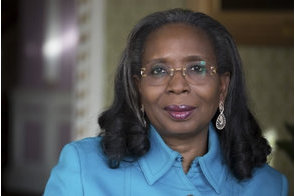
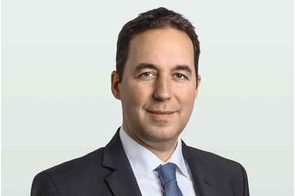
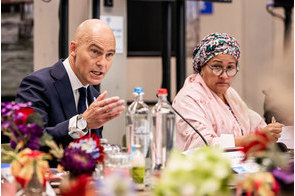
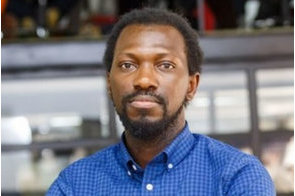







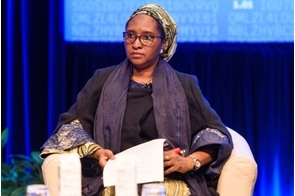

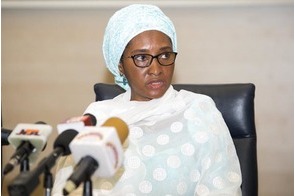
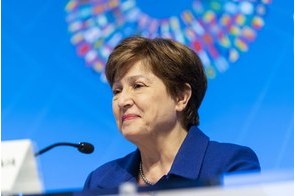
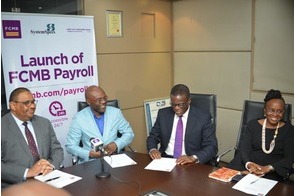

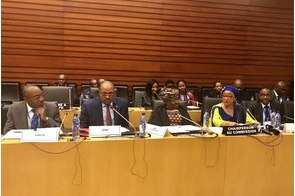
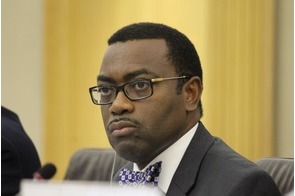
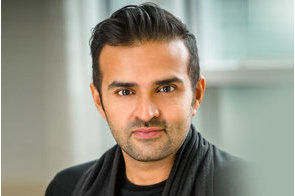

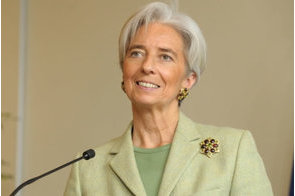


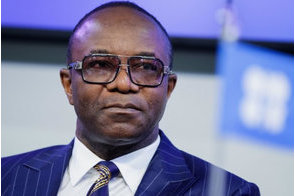
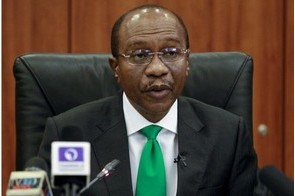











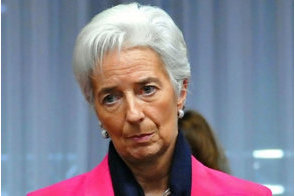


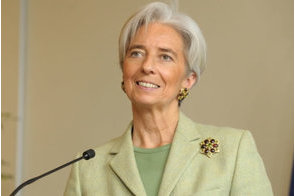


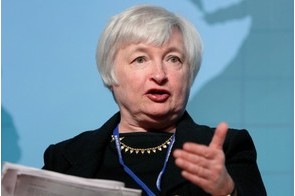


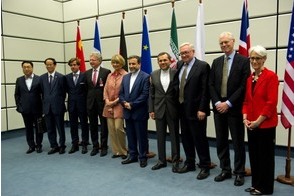
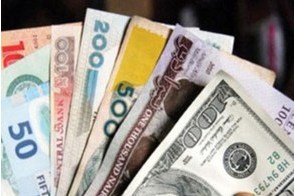


Most Popular News
- FCCPC probes possible cement price manipulation as prices hit N15,000
- US lifts 12-year port security restriction on vessels from Nigeria
- Airtel rolls out Africa’s first Starlink mobile service in DRC
- KudiWave raises compliance concerns over N750m transfer by PalmPay
- AFC raises CHF 350 million digital bond in Swiss market
- Oil futures rise as Middle East truce stalls


Subscribe
Subscribe now to receive newsletter from Financial Nigeria.