Latest News
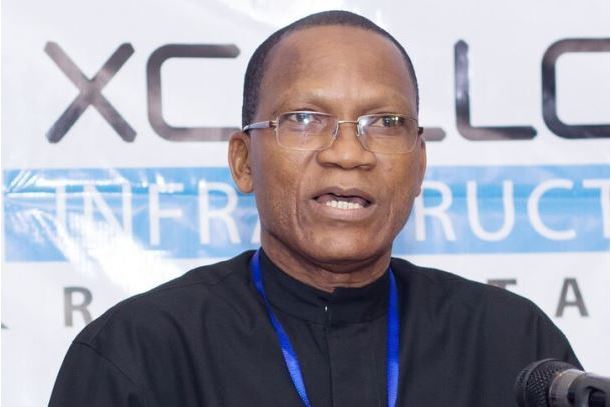
Nigeria’s public debt rises by 34 per cent to N16.3 trillion
News Highlight
- Nigeria’s total public debt rose 34 per cent largely due to the impact of the devaluation of the naira on the country’s foreign currency debt stock.
Nigeria’s total public debt – including federal and state governments’ debts – rose by 34 per cent year-on-year due largely to the impact of the devaluation of the naira on the country’s foreign currency debt stock.
Total public debt stock stood at N16.29 trillion as of June 30, 2016, compared to N12.12 trillion as of June 30, 2015, according to the latest figures released by the Debt Management Office (DMO). The Central Bank of Nigeria official exchange rate used for obtaining the naira equivalent of the foreign debt stock is N283 per dollar, which was the rate as of June 30, 2016 as against N197 per dollar in a similar period of last year.
In June this year, the CBN floated the naira on the interbank foreign exchange market after ending its controversial currency peg. The CBN’s move has caused the naira to fall by nearly 60 per cent against the dollar from N197 per dollar to around N315 currently.
The DMO said Nigeria’s total foreign debt stock stood at $11.26 billion or N3.19 trillion as of June 30, 2016 compared to $10.32 billion or N2.03 trillion in a similar period of last year.
A breakdown of total foreign debt shows that the federal government accounted for $7.61 billion while states accounted for $3.65 billion. The five most indebted states are: Lagos – $1.43 billion; Kaduna – $225.28 million; Edo – $179.52 million; Cross River – $141.47 million; and Ogun – $103.55 million.
The five least indebted states are: Borno – $21.89 million; Taraba – $23.01 million; Yobe – $29.29 million; Jigawa – $32.62 million; and Kogi – $33.56 million. The domestic debt profile of the 36 states and Abuja rose by 48 per cent to N2.5 trillion in June this year from N1.69 trillion in June last year.
According to the DMO, the domestic debt stock of the federal government rose by 26 per cent year-on-year to N10.61 trillion in June this year from N8.4 trillion in June last year. A breakdown of the federal government’s domestic debt profile shows that FGN bonds accounted for 70.46 per cent; treasury bills, 27.36 per cent; and treasury bonds, 2.18 per cent.
The principal sources of Nigeria’s foreign debt are: World Bank Group, $6.85 billion; African Development Bank Group, $938.91 million; International Fund for Agricultural Development (IFAD), $103.01 million; European Development Fund (EDF), $71.47 million; Islamic Development Bank (IDB), $19.87 million; and the Arab Bank for Economic Development in Africa (BADEA), $5.52 million.
Other sources are: Exim Bank of China, $1.5 billion; French Development Agency (AFD), $182.95 million; Japan International Cooperation Agency, $80.44 million; and KfW (the German development bank), $11.66 million. Besides loans from multilateral and bilateral institutions, Nigerian has outstanding Eurobonds valued at $1.5 billion.
Related News
-
DMO lists N163 billion sukuk on Nigerian Stock Exchange, FMDQ
The DMO issued Nigeria’s first sukuk in September 2017 as part of measures to deepen the domestic non-interest bond market ...
-
Nigeria’s public debt rises to N28.63 trillion
Nigeria’s debt profile increased by N1.23 trillion between January and March this year.
-
IMF approves $3.4 billion loan for Nigeria to fight Covid-19
IMF said the facility will support the country’s efforts to address the severe economic impact of the Covid-19 shock and ...
Latest Blogs
- Nigeria’s peculiar gerontocracy
- AML/CFT and the future of Nigeria’s legal profession
- US-Israeli war with Iran opens doors to new world disorder
- Dual policy strategy to tap the food waste industry
- Leveraging China’s zero tariff trade for Africa’s growth
Most Popular News
- Nigeria emerges as the world’s most generous country
- China VC funding value more than triples, finds GlobalData
- Dangote Sugar launches $353 million rights issue to fund expansion
- Artificial intelligence can help to reduce youth unemployment in Africa – ...
- UN presses Nigerian government on human rights violations in Middle Belt
- World Bank debars Chinese state-owned company
Quick Search for Upcoming Events
Event Categories