World Bank expands protection for people and environment in project financing
Summary
The Environmental and Social Framework is part of far-reaching efforts to improve development outcomes.
The World Bank has expanded protection for people and the environment in the Bank's funded projects around the world. This follows several criticisms by various human rights groups including the Coalition for Human Rights in Development, which recently issued a joint petition to international financial institutions (IFIs) – including the World Bank – to address documented reports of human rights abuses in investments funded by the IFIs.
A new Environmental and Social Framework (ESF) was approved last week by the World Bank’s Board of Executive Directors. The multilateral institution said the framework is part of far-reaching efforts to improve development outcomes and streamline its work. The ESF includes important improvements in areas such as transparency, non-discrimination, social inclusion, public participation, and accountability – including expanded roles for grievance redress mechanisms.
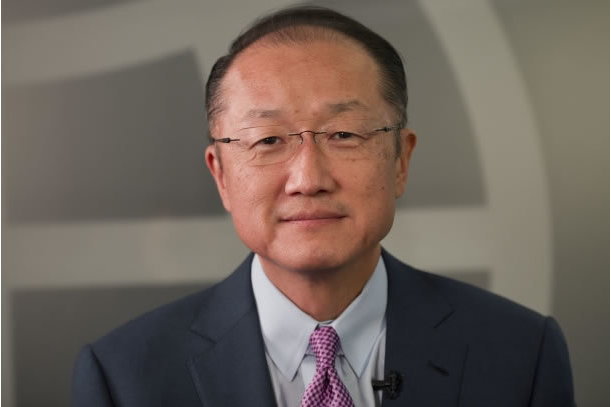
“The World Bank Group’s mission is to end extreme poverty and reduce inequality in the world, and this new framework will be a critical factor in helping us reach those goals,” said World Bank Group President Jim Yong Kim. “These new safeguards will build into our projects updated and improved protections for the most vulnerable people in the world and our environment.”
The World Bank is also making provision to substantially increase funding to make sure the safeguard policies are implemented effectively by building capacity in countries so that they can play a more active role in protecting people and the environment. The Bank said strengthening national systems in borrowing countries is a central development goal of the institution and most of its shareholders.
Human Rights Watch recently documented numerous abuses against individuals and communities impacted by projects financed by the World Bank and its private sector lending arm, the International Finance Corporation.
The Bank said it began the review of its safeguard policies in 2012 to increase social inclusion, enhance client capacity, as well as improve accountability and grievance redress systems for communities and individuals who want to express their concerns over World Bank-financed investment projects.
"The framework is designed to boost development outcomes in Bank projects by placing strong emphasis on sustainability, responsible use of resources, and monitoring and evaluation,” said Alex Foxley, World Bank Executive Director for Argentina, Bolivia, Chile, Paraguay, Peru, and Uruguay.
The transition period to the new framework will take 12-18 months for training and intensive preparation. It is expected to go into effect in early 2018, after nearly four years of engagement around the world with governments, development experts, and civil society groups, reaching nearly 8,000 stakeholders in 63 countries.
Related
-
Inaugural speech of Akinwumi Adesina, President AfDB
Africa can no longer be content with simply managing poverty. For our future and the future of our children, we must ...
-
AfDB’s new 5-year strategy for Nigeria to tackle Covid-19 economic shocks
The 2020-2024 CSP has two key priority areas for Nigeria, namely infrastructure development and social inclusion through ...
-
Tracking aid flows for early child development
259 foundations and 43 donor agencies invested $16 billion in ECD in East Africa since 2008.

Sustainable Development Section Sponsor
-
Access Bank Plc ...Financing the future

Most Popular