
WHO declares Uganda Ebola-free after 42 days of no new infections

Summary
The WHO declaration marks a major milestone for Uganda, but authorities emphasise that vigilance will remain high as long as the outbreak persists in neighbouring DRC.
On Wednesday, 26 August 2026, the World Health Organisation (WHO) officially declared Uganda Ebola-free after 42 days without a new confirmed case, marking the end of an outbreak triggered by an imported infection in May.
The announcement was made in Kampala by Dr Kasonde Mwinga, WHO Representative in Uganda, who said the 42-day benchmark is the global standard for confirming that all chains of transmission have been broken.
The Ministry of Health had earlier declared the country Ebola-free, but the WHO confirmation provides additional assurance to neighbouring states and international partners. Health officials say the declaration should prompt countries that imposed travel restrictions on Uganda to lift those measures, which have continued to affect the economy. Dr Diana Atwine, Permanent Secretary at the Ministry of Health, said several governments had been waiting for the WHO’s verification before reviewing their policies.
Uganda will maintain heightened surveillance, including monitoring deaths and screening travellers at border points, due to ongoing Ebola transmission in the Democratic Republic of Congo (DRC). Despite rising cases in DRC – where 5,656 infections and 2,715 deaths have been recorded – Ugandan authorities say the risk of cross-border spread remains low because of strong surveillance systems.
Uganda continues to support DRC’s response, operating two Ebola treatment centres near the border and preparing to establish two more in Mahagi and Butembo. The WHO also handed over a $500,000 mobile laboratory funded by the African Development Bank to strengthen Uganda’s outbreak preparedness. Health officials say the new facility will allow faster testing in remote areas and could be deployed to DRC if needed.
The WHO declaration marks a major milestone for Uganda, but authorities emphasise that vigilance will remain high as long as the outbreak persists in neighbouring DRC.
Related
-
Guinness Nigeria provides drugs for rural health screening in Lagos
The Rural Dwellers’ Health Initiative is a platform for corps members who are medical professionals.
-
Nigeria launches plan for prevention and control of NCDs
According to the 2018 WHO country profile, NCDs accounted for an estimated 29 percent of all deaths in Nigeria with ...
-
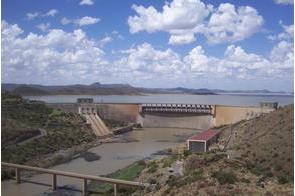
African dams linked to over 1 million malaria cases annually
New study urges future dam projects to consider better disease control measures.


Sustainable Development Section Sponsor
-
Access Bank Plc ...Financing the future

Most Popular
- UNESCO warns AI chatbots can spread climate misinformation
- Nigeria seeks bigger budget allocations for NTD elimination in 2027
- Nigeria ranks among Commonwealth’s Top 15 for youth AI readiness
- Africa’s cities key to jobs for 15 million young workforce entrants annually – WB
- Gavi solar initiative boosts healthcare access for 140 million people
- Gender equality delivers business benefits, ILO finds
- UN opens applications for 2026-27 Youth Ecopreneur Programme