
Latest News
EIB and Kenya strengthen cooperation on green hydrogen
News Highlight
“Kenya has some of the best renewable energy sources in the world if the storage components were equally developed,” said Cabinet Secretary, National Treasury and Economic Planning of Kenya, Professor Njuguna Ndung’u.
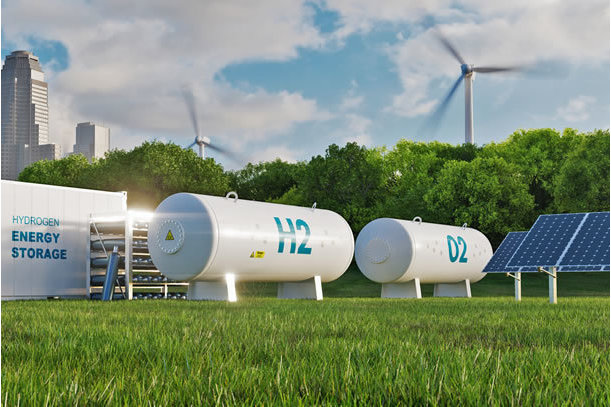
The European Investment Bank (EIB), the world’s largest multilateral bank and leading global financier of renewable energy, has announced that it will strengthen support for green hydrogen investment in Kenya.
Thomas Östros, EIB Vice President and Njuguna Ndung’u, Cabinet Secretary, National Treasury and Economic Planning of Kenya signed the Joint Declaration on Renewable Clean Hydrogen followings discussions on green hydrogen investment with William Ruto, President of Kenya.
“Kenya has some of the best renewable energy sources in the world if the storage components were equally developed,” said Professor Ndung’u.
He said the agreement builds on decades of close cooperation with the EIB by Kenya with the aim of supporting renewable energy across the country, adding that the partnership will help to develop green hydrogen as part of the Kenya Energy Roadmap 2040.
The EIB said it is ready to enhance cooperation to develop public and private sector investment that uses wind, solar, and geothermal resources to produce green hydrogen, combat climate change, and support economic development in Kenya.
Related News
-
Electrification must lead the next phase of energy transition – IRENA
Updated 1.5°C roadmap calls for faster fossil fuel decline and a 35 per cent global electrification rate by 2035.
-
Global renewable energy investment hit $807 billion
Global investments in the energy transition reached a new record of 2.4 trillion in 2024 – a 20% increase from the average ...
-
Sun King raises $156 million to provide solar for over a million Kenyans
Sun King said the deal builds on its $130 million securitisation completed in 2023.


Latest Blogs
- Was Nigeria absent or excluded from WAICO?
- Governor Peter Mbah’s Tomorrow Enugu
- Startups are becoming Nigeria’s new social infrastructure
- Politics as the engine of economic transformation
- What the fake agency scandal means for FDI in Nigeria
Most Popular News
- MTN engages global bond investors as IHS Towers acquisition nears
- Export development fund expands to Senegal and Liberia
- Dangote Refinery posts $1.82 billion profit ahead of landmark IPO
- CBN elevates terrorism financing oversight as key supervisory priority
- Digital services boom widens global trade gap, UNCTAD says
- AfDB approves $5.1 billion response to energy and fertiliser shocks
Quick Search for Upcoming Events