Latest News
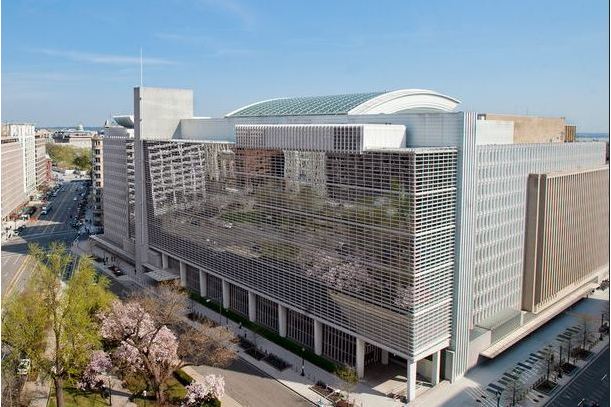
World Bank realigns Africa region under two vice presidencies
News Highlight
The Washington DC-based financier said it plans to lend about $50 billion to 48 countries in Sub-Saharan Africa – significantly more than any other region and making up about one-third of the World Bank’s entire portfolio.
The World Bank Group has reorganised its Sub-Saharan Africa regional portfolio to now be managed by two Vice Presidents, covering Western and Central Africa and Eastern and Southern Africa. The change announced by the multilateral development bank early in 2020, took effect on the first of July.
The Washington DC-based financier said it plans to lend about $50 billion to 48 countries in Sub-Saharan Africa – significantly more than any other region and making up about one-third of the World Bank’s entire portfolio. These financing volumes are almost double what the region delivered ten years ago.
The Bank’s portfolio includes projects and programmes in areas such as agriculture, trade and transport, energy, education, health, water and sanitation. Furthermore, the growth in financing to fragile states has been even higher with about two-thirds of World Bank financing to fragile states happening in Africa.
The region has been led since 2018 by Hafez Ghanem, who has become the Vice President for Eastern and Southern Africa. Ousmane Diagana was appointed Vice President for Western and Central Africa.
Related News
-
World Bank mobilises $112bn in private capital for developing countries
The record private capital mobilisation by the Bank rose from $35 billion in 2022 to $112 billion in 2026.
-
Nigeria retains lower-middle income status in World Bank global income update
For Nigeria to advance into the upper-middle income bracket, per capita income must exceed $4,495. This will require sustained ...
-
World Bank approves $1.25 billion loan for Nigeria amid rising debt
The fresh inflow arrives amid heightened public scrutiny of the Federal Government's mounting external obligations.


Latest Blogs
- Nigeria’s democratic illogic
- The scourge of public infrastructure vandalism
- Can Nigeria’s new deep offshore incentives unlock capital?
- Was Nigeria absent or excluded from WAICO?
- Governor Peter Mbah’s Tomorrow Enugu
Most Popular News
- BoE rate hold draws criticism as inflation climbs above 3 per cent
- Dangote Refinery posts $1.82 billion profit ahead of landmark IPO
- ECA, DHL join forces to boost African SMEs' cross-border trade
- Nigeria returns to J.P. Morgan bond index after more than a decade
- GSMA warns soaring smartphone costs could create a global AI divide
- World Bank mobilises $112bn in private capital for developing countries
Quick Search for Upcoming Events