
Latest News
How Africa regulates bitcoin and other cryptocurrencies
News Highlight
In the future, African banks and governments may realize the potential of cryptos to help their people and economies.
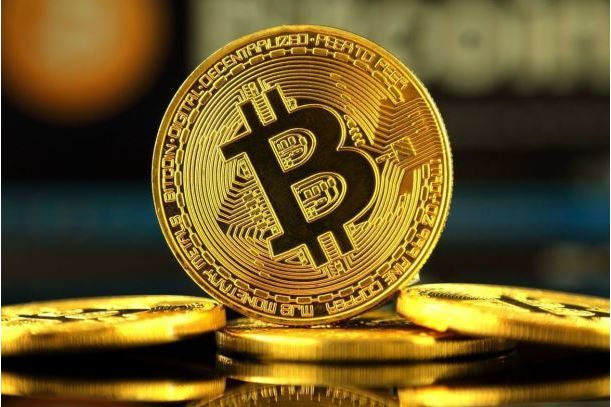
Africa and cryptocurrencies should go together like two pedals on a bicycle. There are lots of reasons Africans should have a Luno Bitcoin Wallet within easy reach together with their smartphone – but it is not always the case. And in spite of Africa having the potential to really harness blockchain technology and cryptos, the reality can often be a different story. Here we will address why Africa and cryptos are so well matched and what the current state of play is with regard to cryptocurrency regulations within the continent.
The Romeo and Juliet of Cryptos
Africa is noted as an ideal place for cryptocurrencies to be welcomed and used. The reasons for this are multiple and rather diverse. Yet, every reason points to a stronger and more safe economy and improved life for its citizens. Here are some of the reasons Africa and cryptos are the Romeo and Juliet of the blockchain:
• Sub-Saharan Africa is home to the largest unbanked adult population in the world. Cryptos can help this group of people have access to financial services and go some way to improving their quality of life. It is already known that the primary aim of Facebook’s pending Libra is to help solve this problem for Africans. The region has a peer-to-peer payment culture that already favours technology. Most Africans already use their smartphones and specific smartphone apps to send and receive money.
• Smartphone usage has grown 77% in a single decade.
• The internet is now widely available within Africa.
• Cheaper crypto payments can help Africans working elsewhere save their income on money transfers, ultimately allowing family and friends in Africa to receive more money – and quicker!
So, How Does Africa Regulate Bitcoin and Other Cryptos?
With Africa seemingly so suited for cryptos, it is a shame to discover that the continent has not always been so welcoming to it and some governments actively oppose it. There are exceptions to this stance such as Mauritius who have already devised regulations and are becoming known as the crypto hub in Africa – and seeing benefits. However, other African countries are on the other side of the fence:
Zimbabwe: The country has a hard opposition to cryptos and has placed measures to prevent them. This is a real shame because Zimbabwe is experiencing hyperinflation due to Donald Trump’s sanctions. Cryptos could help Zimbabwean citizens.
Namibia: Namibia’s lack of regulations and its opposition to cryptos somewhat resembles the one in Zimbabwe.
Kenya: The Kenyan government and central bank actively oppose cryptos and try to prevent bank accounts from being granted to those that use digital currencies. But despite opposition, many Kenyans have been utilizing cryptos.
Nigeria: In Nigeria, there are also no regulations. But unlike many African countries, they do have concrete plans to create regulations.
Looking Forward
In the future, African banks and governments may realize the potential of cryptos to help their people and economies. It may take regulations elsewhere in the world – which are also lacking or in negotiations – to encourage them to be more welcoming. Cryptos can be a real force for good in Africa and it may just be a matter of time before the benefits are truly seen.
Related News
-
Africa’s bid to capture more mineral value
The continent's leaders say they are no longer content to be suppliers of raw minerals in the global race for green energy.
-
Nigeria faces its first ‘deepfake election’, new report warns
Bloomwit Africa says Navigating Nigeria 2027 takes no position on candidates or outcomes and does not forecast results.
-
Nigeria's Payaza adds Oceania to its cross‑border payment footprint
Having begun operations in Africa, the company has steadily expanded into Europe and North America, and now into Australia and ...


Latest Blogs
- Nigeria’s job creation crisis story
- The FCCPC and the limits of competition law in Nigeria
- Securing Nigeria’s economic future by making schools safe
- Nigeria at the precipice of a Hobbesian state
- Nigerian ethnoreligious prejudice vs South African xenophobia
Most Popular News
- Global trade expands as price pressures reshape 2026 outlook
- Outgoing British envoy says Tinubu’s reforms can strengthen Nigeria’s ...
- CIG Motors, MAN push auto sector in Nigeria’s $1 trn economy ambition
- Nigeria faces its first ‘deepfake election’, new report warns
- Africa’s bid to capture more mineral value
- Nigeria’s official inflation rate eases to 15.91 per cent
Quick Search for Upcoming Events
Event Categories