Latest News
CBN suspends nationwide rollout of cashless policy
News Highlight
The CBN had earlier announced it would embark on a nationwide implementation of its cashless policy, which had been in force in six states and the Federal Capital Territory.
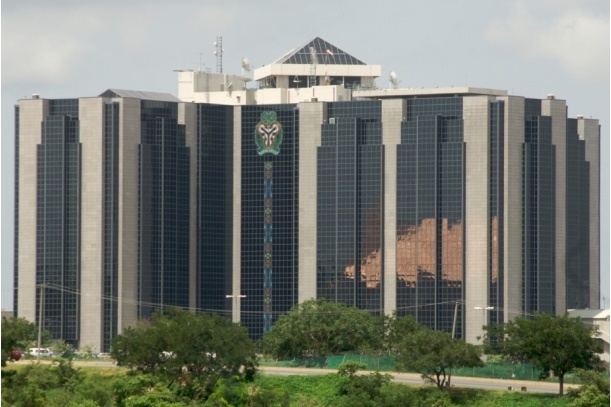
The Central Bank of Nigeria has directed commercial banks to suspend the nationwide rollout of its cashless policy, according to a circular published on Friday. The apex bank did not provide any reasons for the suspension of the policy.
In March this year, the CBN had announced that it would embark on a nationwide implementation of its cashless policy, which had been in force in only six states – Lagos, Ogun, Kano, Abia, Anambra, and Rivers – and the Federal Capital Territory. The CBN also announced that it had reintroduced charges on cash transactions, imposing new rates for deposits and withdrawals nationwide. The apex bank had planned a phased rollout of the policy: 10 states from April 1st, another batch of 10 states from May 1st, and the last group of 10 ten states from August 1st.
“Please note that the new withdrawal and deposit processing fees charges above the threshold, as contained in the circulars referenced above, are hereby suspended until further notice. The position of the policy shall now revert to the status quo ante,” the apex bank said. “For further clarification, the existing policy prior to the announcement of the new policy as earlier implemented in Lagos, Ogun, Kano, Abia, Anambra, Rivers states and the FCT shall remain in force.”
The CBN directed banks to revert to the old charges of 3 percent processing fees for individual withdrawals above N500,000, and 5 percent processing fees for corporate withdrawals above N3 million.
“The new charges already applied effective 1st April, 2017 as contained in the circulars in reference above, should be reversed and the old charges as stated above should be applied. All necessary refunds should be made accordingly,” the apex bank.
Related News
-
Bond yields climb despite liquidity surge ahead of N2 trillion sale
Analysts say a wave of maturing securities this month could boost demand at the Federal Government’s upcoming bond auction ...
-
CBN cuts interest rate to 23 per cent in surprise shift towards growth
The MPC reduced the Monetary Policy Rate (MPR) from 26.5% to 23.0%, its first major easing move after an aggressive tightening ...
-
CBN elevates terrorism financing oversight as key supervisory priority
The central bank noted that the heightened focus aligns with Nigeria’s ongoing efforts to enhance domestic and ...


Latest Blogs
- Nigeria after the 2027 general election
- Who should hold telcos accountable for poor service quality?
- Why Nigerian economic reform requires better data
- Nigerians and the promise of independence
- Why Nigeria must scale CNG as a social innovation
Most Popular News
- Shelter Afrique sustainable bond backs affordable housing in West Africa
- UN opens applications for 2026-27 Youth Ecopreneur Programme
- Swedfund invests in Lightrock Fund to expand essential services in Africa
- Gender equality delivers business benefits, ILO finds
- Gavi solar initiative boosts healthcare access for 140 million people
- Afreximbank, DBN sign $75m facility to boost financing for Nigerian SMEs
Quick Search for Upcoming Events
Event Categories