
Latest News
Rising inflation brings striking fall in real wages, ILO report
News Highlight
The report estimates that global monthly wages fell in real terms to minus 0.9 per cent in the first half of 2022 – the first time this century that real global wage growth has been negative.
A new report by the International Labour Organization (ILO) says severe inflationary crisis around the world combined with a global slowdown in economic growth – driven in part by the war in Ukraine and the global energy crisis – is causing a striking fall in real monthly wages in many countries.
The report estimates that global monthly wages fell in real terms to minus 0.9 per cent in the first half of 2022 – the first time this century that real global wage growth has been negative.
The crisis is reducing the purchasing power of the middle classes and hitting low-income households particularly hard, says ILO in a statement.
According to the report, among advanced G20 countries, real wages in the first half of 2022 are estimated to have declined to minus 2.2 per cent, whereas real wages in emerging G20 countries grew by 0.8 per cent, 2.6 per cent less than in 2019, the year before the COVID-19 pandemic.
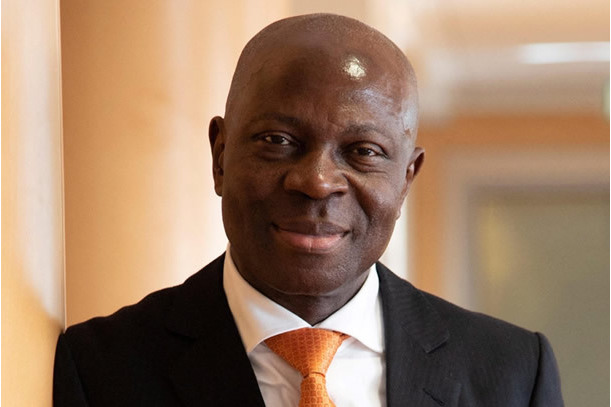
“Income inequality and poverty will rise if the purchasing power of the lowest paid is not maintained,” said ILO Director-General, Gilbert F. Houngbo.
The report says well-designed policy measures are needed urgently to prevent the deepening of existing levels of poverty, inequality, and social unrest.
Related News
-
Nigeria’s official inflation rate eases to 15.91 per cent
The NBS data shows that annualised food inflation in June 2026 was 17.52%.
-
US Fed expected to hold rates as inflation climbs to three-year high
The Personal Consumption Expenditures price index climbed 4.1% in May from a year earlier, up from 3.8% in April and more than ...
-
ILO adopts landmark treaty on gig work
Human Rights Watch urges governments to promptly ratify the convention and incorporate it into domestic law.


Latest Blogs
- Startups are becoming Nigeria’s new social infrastructure
- Politics as the engine of economic transformation
- What the fake agency scandal means for FDI in Nigeria
- Lagos flooding and the cost of weak urban resilience
- The hidden cost of convenience in our changing diets
Most Popular News
- MTN engages global bond investors as IHS Towers acquisition nears
- Export development fund expands to Senegal and Liberia
- Uber leaves Nigeria and Uganda as part of wider global restructuring
- South Korea, Africa to focus on AI and digital infrastructure at conference
- Oil prices stay elevated as Middle East tensions raise supply concerns
- Ghana offers sweeter terms to attract new oil investment
Quick Search for Upcoming Events