IFAD’s support to strengthen agriculture capacity in DRC
Summary
International Fund for Agricultural Development has agreed to invest $33.8 million to finance an agricultural project in DRC.
The United Nations International Fund for Agricultural Development (IFAD) has agreed to invest $33.8 million to finance an agricultural project in the Democratic Republic of Congo (DRC).
In a press statement released on Thursday, IFAD said it signed an agreement to fund DRC’s North Kivu Agriculture Sector Support project (PASA-NK), which aims to boost the country’s food security as well as incomes of poor farmers and women-headed households.
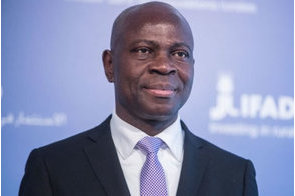
The agreement was signed in Rome on Thursday by Kanayo Nwanze, IFAD’s president, and Henri Yav Mulang, DRC’s Minister for Finance.
“Considering the amount of rainfall and arable land, the country’s agricultural sector has considerable potential to expand and flourish if the right investments and commitments are made,” Nwanze said.
The total cost of the PASA-NK project is estimated at about $53 million, with IFAD providing a $16.9 million loan as well as a grant of equal amount. DRC’s government will contribute $6 million while beneficiaries will provide $3.5 million. Other donors arranged by DRC’s government would provide the remaining $9.7 million.
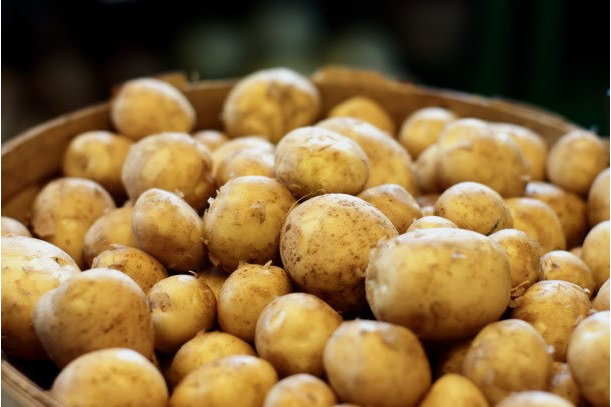
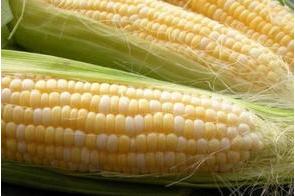
The PASA-NK project will focus on building the capacity of farmers, farmer’s organizations and provincial agricultural services involved in maize, rice, potato and Arabica coffee value chains.
The project targets poor farmers and households located in the territories of Beni, Lubero, Rutshuru, Nyiragongo and Masisi in the province of North Kivu. The PASA-NK project is expected to benefit over 28,400 rural households in the North Kivu province.
Since 1980, IFAD has invested a total of $183.4 million in eight programmes and projects in the DRC, generating a total investment of $326.2 million as well as benefiting 504,400 households.
Chibuike Oguh is Financial Nigeria's Frontier Markets Analyst
Related
-
IFAD calls for more climate finance in support of small-scale farmers
Small-scale farmers produce one-third of the world’s food, but receive only 1.7 per cent of climate finance.
-
AfDB presents Feed Africa Strategy to stakeholders in Central Africa
Feed Africa Strategy is designed to increase Africa’s access to adequate nutrition, end hunger, and reduce food ...
-
A transformed fertilizer market is needed in response to the food crisis in Africa
Natural gas markets are being drained for future winter heating and chemical production, leaving too little for current ...
Sustainable Development Section Sponsor
-
Access Bank Plc ...Financing the future

Most Popular