Critical minerals shortages threaten energy transition – GlobalData

Summary
GlobalData’s latest Strategic Intelligence report, Critical Minerals (2024), identifies several main challenges to scaling clean energy technologies
The global transition to clean energy has triggered an unprecedented surge in demand for critical minerals, posing significant challenges in achieving international energy transition goals, says GlobalData.
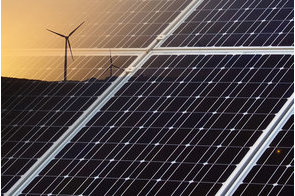
According to the leading data and analytics company, the shift is gaining momentum, heavily relying on renewable technologies such as solar PV cells and wind turbines, alongside energy transition solutions like hydrogen, energy storage, and carbon capture.
GlobalData’s latest Strategic Intelligence report, Critical Minerals (2024), identifies several main challenges to scaling clean energy technologies, including mineral depletion, resource monopolisation, geopolitical tensions, and water scarcity.
“The near-term depletion of critical minerals raises concerns, especially as instability in the green technologies market causes price volatility,” said Martina Raveni, Strategic Intelligence Analyst at GlobalData.
Many critical minerals are concentrated in specific regions, creating uneven resource distribution and volatile market dynamics. For example, much of the world’s lithium reserves are concentrated in South America and Australia, while the Democratic Republic of the Congo provides much of the world’s cobalt, and Indonesia dominates nickel production.
Related
-
Renewables can provide 60 pct of Nigeria’s energy demand by 2050 - IRENA
Achieving this milestone in renewable energy adoption will save the country 40 percent in natural gas and 65 percent in oil ...
-
Nigeria adopts sustainable energy plan to improve power supply
The Nigerian National Council on Power has adopted the Sustainable Energy for All Action Agenda.
-
IFC, FMO invest in Mobisol to deliver solar energy in East Africa
IFC and FMO invested €14.6 million in Mobisol to deliver pay-as-you-go solar energy services to off-grid communities ...
Sustainable Development Section Sponsor
-
Access Bank Plc ...Financing the future

Most Popular
- World Bank urges Africa to shift from trade links to production hubs
- WHO declares Uganda Ebola-free after 42 days of no new infections
- Alliance to End Plastic Waste reports progress on circular economy
- GSMA warns soaring smartphone costs could create a global AI divide
- Guterres renews call for polluters to pay