Latest News
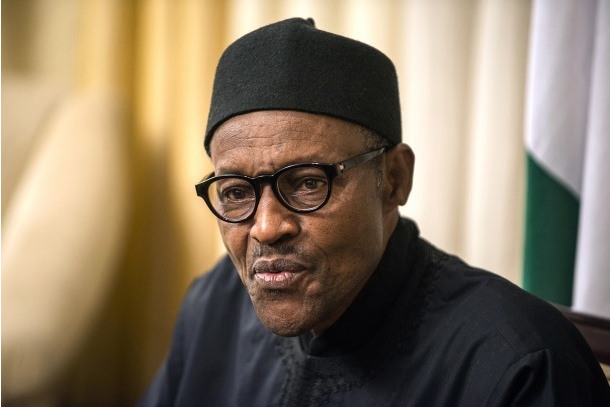
Buhari signs N30,000 minimum wage bill into law
News Highlight
The Minimum Wage Repeal and Re-Enactment Act, 2019 gives workers the right to sue their employers who fail to pay them the new minimum wage.
President Muhammadu Buhari has signed into law the Minimum Wage Repeal and Re-Enactment Bill, 2019, which was passed by the National Assembly on March 19 and transmitted to the presidency on April 2. According to the Senior Special Assistant to the President on National Assembly Matters (Senate), Ita Enang, the President signed the bill into law today.
“The Act makes it compulsory for all employers across the country to pay workers a minimum of N30,000,” he said. “But it excludes employers with less than 25 workers and persons in other kinds of regulated employment.”
Last year, a tripartite committee set up to review the hitherto N18,000 national minimum wage put together a draft bill that was sent to the National Assembly on January 22, with N27,000 proposed as the new minimum wage. The National Assembly increased the figure to N30,000.
According to Enang, the Minimum Wage Repeal and Re-Enactment Act, 2019 gives workers the right to sue their employers who fail to pay them the new minimum wage. It also empowers the Minister of Labour and Employment or his representative to act in the case of such denial of the new wage.
Analysts in the financial sector, however, have expressed concerns over the new minimum wage. In an interview in November 2018, the CEO of Financial Derivatives Company (FDC), Bismarck Rewane, said, “The wage hike would lead to inflationary pressures,” adding that inflation will go from 11.5 per cent (now 11.25 as of March) to around 13 per cent because of the wage increase.
Rewane added that productivity growth in Nigeria is still minus 0.7 per cent. Hence, an increase in the minimum wage and all other corresponding increases basically means inflation is likely to increase.
Related News
-
CPSG to host symposium on professionalising public enterprise board appointments
Dr Ernest Ndukwe, OFR, Chairman of the CPSG Board, is also expected to participate.
-
Global youth unemployment rises amid tougher realities for Nigerian youth
The ILO report notes that middle skilled jobs – traditionally entry points for young workers – are shrinking ...
-
Global index warns AI is advancing faster than govts can protect people
The second edition of the Global Index on Responsible AI finds that while national AI strategies, laws and global commitments ...


Latest Blogs
- What Nigeria’s public spaces say about the future
- What the next WHO Director-General must learn from Nigeria’s health reforms
- China's industrial strategy and Nigeria's retail reckoning
- Lagos street begging bill and the limits of prohibition
- Nigeria's new 4-Ds foreign policy faces an old test
Most Popular News
- Foreign investors continue to favour Nigerian debt over stocks
- CPSG to host symposium on professionalising public enterprise board appointments
- Nigeria confirms Ebola case in Abuja, launches contact tracing effort
- World Bank backs petrochemical growth over decarbonisation
- Process Vision launches initiative to recognise workplace ‘unsung heroes’
- Africa launches continental credit rating agency
Quick Search for Upcoming Events
Event Categories