
Borlaug-Adesina Fellowship Programme opens application process

Summary
The Borlaug-Adesina Fellowship Programme seeks to support a new generation of agricultural scientists and innovators across Africa.
The World Hunger Fighters Foundation (WHFF) in partnership with the World Food Prize (WFP) has established the Borlaug-Adesina Fellowship Programme to nurture the next generation of hunger fighters. Accordingly, the Foundation has opened application process for the 2019 fellowship programme.
According to a statement, the deadline for the application process is July 31, 2019. Borlaug-Adesina Fellows will be selected and announced at the Borlaug Dialogue International Symposium, scheduled to take place in Iowa, United States, on October 16-18, 2019. The fellows will attend a one-year programme at the WHFF Africa Youth Institute at the WFP in Iowa, from where they will gain exposure and experience at various international agriculture research centres and agribusinesses around the world.
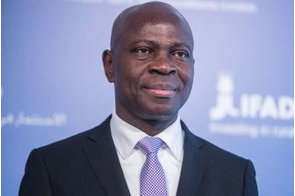
The application is open to African youths between the ages of 21 and 30. Adesina, who won the 2017 World Food Prize, had pledged his prize money of $250,000 to finance African youth and entrepreneurship in agriculture, and establish the WHFF, which will support a new generation of agricultural scientists and innovators across Africa.
The aim of the foundation is to lift millions of people out of poverty in Africa and combat hunger across the world. This is in line with the Sustainable Development Goals 1 and 2, which seeks to end poverty and achieve zero hunger, respectively.
The symposium is organised by the WFP and it brings together over 1,200 people from more than 65 countries to address cutting-edge issues related to global food security and nutrition. The WFP was founded in 1986 by Norman Borlaug, recipient of the 1970 Nobel Peace Prize. Through the Borlaug Dialogue, the WFP aims to build alliances in the fight against world hunger and malnutrition.
Related
-
IFAD calls for more climate finance in support of small-scale farmers
Small-scale farmers produce one-third of the world’s food, but receive only 1.7 per cent of climate finance.
-
Imperative of reforming Nigeria’s agric insurance coverage
Insurance coverage plays beneficial roles in achieving sustainable food production, creating wealth and reducing poverty.
-
U.S. firm infuriated by Africa’s rejection of genetically modified foods
Some scientific reports have said genetically modified foods have negative health implications.
Sustainable Development Section Sponsor
-
Access Bank Plc ...Financing the future

Most Popular
- Gavi solar initiative boosts healthcare access for 140 million people
- Gender equality delivers business benefits, ILO finds
- UN opens applications for 2026-27 Youth Ecopreneur Programme
- UNESCO warns AI chatbots can spread climate misinformation
- Nigeria seeks bigger budget allocations for NTD elimination in 2027
- Nigeria ranks among Commonwealth’s Top 15 for youth AI readiness
- Africa’s cities key to jobs for 15 million young workforce entrants annually – WB
- COP31 ends in deadlock over fossil fuels and climate finance