AfDB urges push towards zero emissions in Africa’s industrial sectors
Summary
The AfDB challenged African countries to take the lead in implementing strategies to effectively end carbon emissions in their industrial sectors.
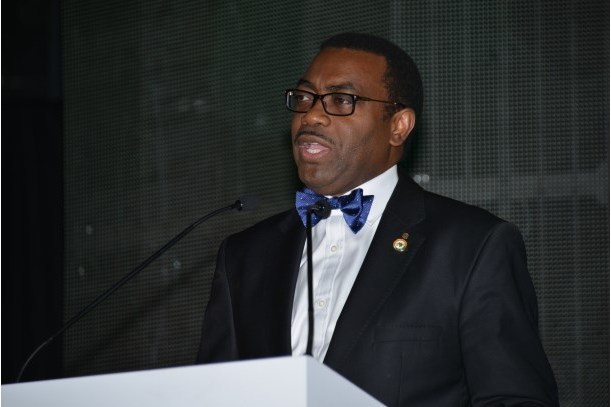
African Progress Panel's Executive Director, Caroline Kende-Robb, has called for a gradual transition in Africa's energy mix to zero carbon emission. She made the call during a special session on climate change, organised by the African Development Bank (AfDB), as part of the agenda at the 2016 Annual Meetings in Lusaka, Zambia.
Kende-Robb stated that African countries need to migrate from fossil fuels to clean energy to achieve the global carbon emissions target of below 2 per cent.
The session, which was tagged “Climate Change – Beating the Odds,” had the participation of various climate change advocates like, Marco Lambertini, World Wildlife Fund's Director General; Mary Robinson, President of the Mary Robinson Foundation – Climate Justice; among others.
The AfDB challenged African countries to take the lead in implementing strategies to effectively end carbon emissions in their industrial sectors. The theme of the 2016 Annual Meetings, which held on May 23-27, was “Energy and climate change.”
Related
-
Electrification must lead the next phase of energy transition – IRENA
Updated 1.5°C roadmap calls for faster fossil fuel decline and a 35 per cent global electrification rate by 2035.
-
New funding round opens for renewable energy projects in developing countries
The current funding round of US$50 million in concessional loans marks the sixth of seven annual cycles.
-
AfDB's off-grid energy fund attracts $95 million investment
EU and others have invested $95 million in equity capital and loans to support AfDB's Off-Grid Energy Access Fund.

Sustainable Development Section Sponsor
-
Access Bank Plc ...Financing the future

Most Popular
- Africa CDC welcomes $220 million boost for Ebola outbreak response
- Ecobank raises $450 million in world’s first Nature Bond on London Stock Exchange
- ILO adopts landmark treaty on gig work
- Nigeria emerges as the world’s most generous country
- Low-tech longevity investments could unlock $6 trillion worldwide – WEF