
World Bank project to boost income for smallholders in Tanzania
Summary
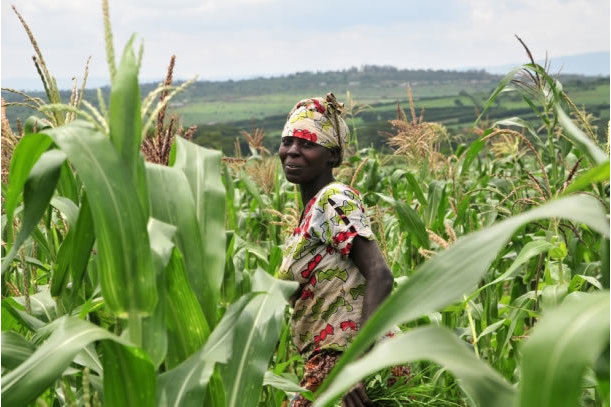
The project seeks to develop income opportunities for 100,000 smallholder farming households.
The World Bank Group has approved a $70 million facility to boost smallholder agriculture in Tanzania. The Bank said in a statement on Thursday that the financing is part of its Southern Agricultural Growth Corridor of Tanzania (SAGCOT) programme, which seeks to link smallholder farmers to agribusinesses for boosting incomes and job-led growth.
The SAGCOT seeks to develop income opportunities for 100,000 smallholder farming households by providing new technologies and marketing practices. It will also expand partnerships with lucrative agribusinesses in the Southern Corridor of Tanzania. The project is expected to benefit over 500,000 people.
“Smallholder farmers play a central role in Tanzania’s agricultural sector,” said Bella Bird, World Bank Country Director for Tanzania, Burundi, Malawi and Somalia.
“The SAGCOT Investment Project has the potential to be transformational as it will provide them with crucial access to capital and new technology needed to invest in higher value production, promote their livelihoods and meet their nutritional needs.”
Agriculture contributes about 25 percent to Tanzania’s GDP and accounts for over 34 percent of all export earnings. About 75 percent of Tanzania’s 49-million strong population depends on agriculture, according to government estimates.
Over 80 percent poor people in Tanzania live in the rural areas, which have limited links to established agriculture markets. As a result, Tanzania’s otherwise remarkable economic growth rate of 7 percent over the past decade has left behind most of the poor in the rural areas.
“Tanzania has achieved demonstrable successes in boosting productivity in the horticulture, rice, sugar and tea sectors,” said Mark Cackler, World Bank’s Manager for the Agriculture Global Practice. “The challenge is to extend the reach of existing efforts and expand poor farmers’ access to lucrative market opportunities, which are the goals of the project.”
Related
-
Cocoa value-addition push as new test for Nigeria’s industrial ambition
Nigeria’s past attempts at agro-processing have been constrained by high capital costs, weak infrastructure, limited ...
-
UN calls for repurposing of $470 billion in global agricultural support
Global support to producers in the agricultural sector is projected to soar up more than three times to $1.759 trillion.
-
Current locust outbreak underscores need for pest control preparedness in Africa
Based on my experience developing a plant-based biopesticide for the control of weevils that attack cowpea, maize and rice ...


Sustainable Development Section Sponsor
-
Access Bank Plc ...Financing the future

Most Popular