
Study shows 134 million people requiring treatment for NTDs in Nigeria
Summary
A total of 134 million people in Nigeria require treatment for neglected tropical diseases (NTDs), also known as diseases of poverty.
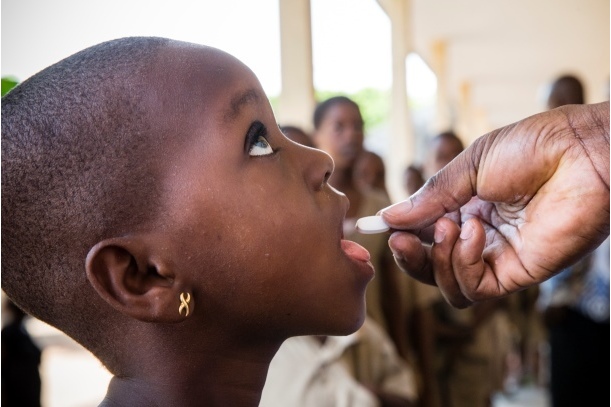
A new report by the Uniting to Combat Neglected Tropical Diseases group shows Nigeria has the highest number of people requiring treatment for neglected tropical diseases (NTDs), also known as "diseases of poverty". A total of 134 million people who need treatment for the diseases, which the group says are amenable to mass treatment using medicines donated for free to endemic countries by pharmaceutical companies.
The five most common NTDs are: blinding trachoma; intestinal worms; the mosquito-borne elephantiasis; snail-borne bilharzia; and river blindness. All five diseases are preventable.
According to a new league table ranking of disease-fighters, Nigeria is ranked 23rd out of 49 countries in Africa, with an index score of 60 out of 100. Uniting to Combat NTDs says African countries with modest national incomes are outperforming some richer nations on the continent in the fight against diseases of poverty.
The highest-ranking country in this year’s disease-fighters league table is eSwatini (the former Swaziland). Other countries among the top ten on the ranking are Malawi, Mali, Burkina Faso, Tanzania, Algeria, Guinea, Serra Leone, Togo and Cameroon. These countries score high on the index because of their commitment to reach every individual in need of treatment.
The country that has the second largest number of people needing treatment for NTDs is Ethiopia, with 69.8 million people and ranks 16th on the league table. The table ranks the countries according to their performance in reaching everyone in need with the necessary treatment, across the five most common NTDs in Africa.
NTDs affect 1.6 billion people worldwide – that’s one in five on the planet. In Sub-Saharan Africa alone, there were 605 million with the diseases in 2017 – a modest drop of 25 million in just three years. Nevertheless, this shows treatments for NTDs are effective, according to the World Health Organisation. In 2018, Ghana became the first sub-Saharan African country to eliminate blinding trachoma.
“We have shown it can be done,” said Ghanaian President Nana Akufo-Addo.
NTDs are also known as diseases of poverty because they thrive in communities with few resources and also perpetuate low income by limiting the ability of individuals to work and go to school. They also cause disability and stigma and can even lead to death.
Related
-
WHO kicks-off 7th African Vaccination Week
Immunisation is recognized as one of the most successful and cost-effective public health interventions in the world.
-
U.S. think tank debunks WHO reports on environmental causes of child mortality
The report says market-driven economic growth, not “sustainable growth,” is key to improving public health.
-
Africa health R&D investment could add $668 billion to GDP, report says
The report says stronger investment in health research could drive growth, jobs and industrial capacity across the ...

Sustainable Development Section Sponsor
-
Access Bank Plc ...Financing the future

Most Popular
- GSMA warns soaring smartphone costs could create a global AI divide
- Guterres renews call for polluters to pay
- Rab urges shift from financial access to economic opportunity
- Global trade union leaders debate future of work in Milan
- Process Vision launches initiative to recognise workplace ‘unsung heroes’
- World Bank backs petrochemical growth over decarbonisation