Latest News
Human Rights Watch, others caution IMF on austerity policy
News Highlight
According to the group, IMF has already started to lock countries into long-term austerity-conditioned programs.
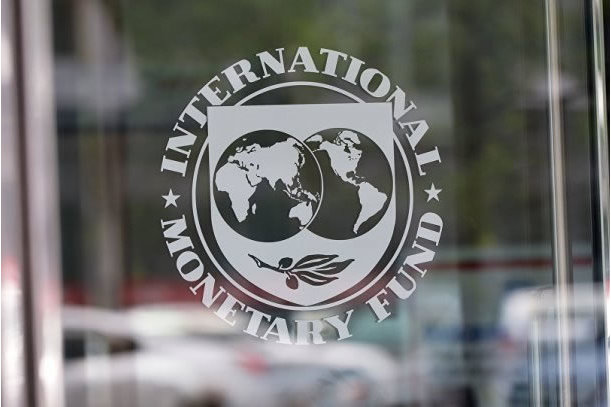
Over 500 organizations including Human Rights Watch have told the International Monetary Fund (IMF) to rethink the conditions it is placing on its loans in the Covid-19 era. In a statement jointly issued by the organisations on October 6, they said IMF’s policies, reflected in the conditionalities for its loans, will be highly influential in shaping the economic and social landscape after the pandemic.
According to the group, IMF has already started to lock countries into long-term austerity-conditioned programs that threaten to worsen poverty and inequality and undermine economic and social rights.
“We, the undersigned, call on the IMF to immediately stop promoting austerity around the world, and instead advocate policies that advance gender justice, reduce inequality, and decisively put people and planet first,” said the group, adding that “a significant number of the IMF’s Covid-19 emergency financing packages contain language promoting fiscal consolidation in the recovery phase.”
Instead of austerity cuts, the group said IMF should create fiscal space and give governments the time, flexibility, and support to achieve a sustainable, inclusive, and just recovery.
“The global economy stands at a crossroads between further decades of austerity and debt crises, or adopting a macroeconomic framework compatible with fighting inequality, pursuing climate justice, realizing human rights, and achieving the Sustainable Development Goals,” said the group. “Ahead of the 2020 IMF Annual Meetings, we call on the IMF to turn away from the mistakes of the past and finally close the dark chapter on IMF-conditioned austerity for good.”
Related News
-
Tobias Adrian to leave the IMF in August
Prior to joining the IMF, Adrian held several senior positions at the Federal Reserve Bank of New York.
-
Borrowers platform for developing countries launches
According to UNCTAD, external debt reached $11.7 trillion in 2024, while debt service costs rose to approximately $920 billion.
-
Abebe Aemro Selassie to retire as Director of African Department at IMF
IMF's Managing Director, Ms. Georgieva, said Selassie has guided the department through a period of profound change and ...


Latest Blogs
- Securing Nigeria’s economic future by making schools safe
- Nigeria at the precipice of a Hobbesian state
- Nigerian ethnoreligious prejudice vs South African xenophobia
- Fear and hope of state police in Nigeria
- The case for sustainability in a retreating world
Most Popular News
- Nigeria’s stock market delivers world’s best returns year to date
- Oando posts ₦204 billion profit as production surges
- ETF inflows offer Bitcoin relief amid institutional sales and policy risks
- Afreximbank partners One Street Studios to drive $1 billion film fund
- Global central bankers signal end of forward guidance at ECB’s forum
- Uber’s losses since 2014 near $26 billion
Quick Search for Upcoming Events
Event Categories