AfDB approves $76mn loan for water supply in Ethiopia
Summary
The AfDB approved the loan for implementation of the Four Towns Water Supply and Sanitation Improvement Programme.
The African Development Bank Group (AfDB) has approved a $76.11 million loan to Ethiopia to improve water supply in four towns.
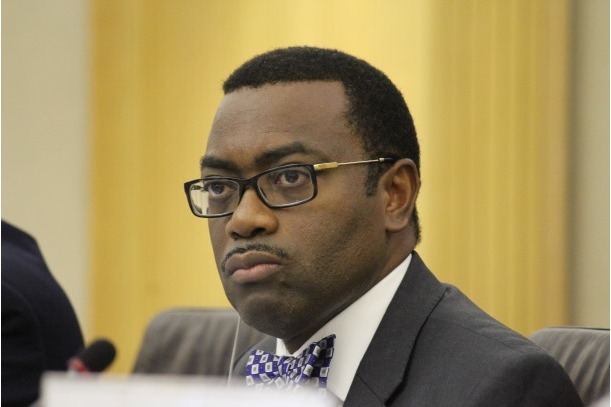
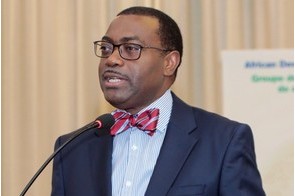
In a statement released on Thursday, the AfDB, led by Akinwumi Adesina, said it approved the loan for implementation of the Four Towns Water Supply and Sanitation Improvement Programme, which seeks to increase water production capacities, improve water distribution systems, provide public latrines, improve the collection and disposal of faecal sludge, raise the capacity of regional water bureaus and utilities.
The four beneficiary towns in Ethiopia are Adama in Oromiya Regional State, Adwa in Tigray Regional State, Bichena in Amhara Regional State and Gode in Somali Regional State. The towns have a population of about 635,000 residents in addition to 227,000 residents in nearby villages.
The aggregate average water supply and sanitation access in the four beneficiary towns is estimated at 53 percent for water supply and 76 percent for sanitation. However, the programme plans to raise both services to 100 percent by 2020.
“The availability of sustainable water supply will help also to increase the private sectors involvement in the towns. These outcomes, combined, will result in a reduction in water borne diseases and spur the development of the towns,” the statement further said.
Chibuike Oguh is Financial Nigeria's Frontier Markets Analyst
Related
-
New vistas for Ngozi Okonjo-Iweala at Lazard and Gavi
At Gavi, Mrs. Okonjo-Iweala will succeed Dagfinn Høybråten, a former Norwegian Minister of Health.
-
Liberian SME sector gets a boost from Access Bank and AfDB partnership
The Ebola crisis has exacerbated challenges in the Liberian MSMEs sector.
-
S&P Global affirms AfDB's AAA rating with a stable outlook
The ratings agency further stated that it expects AfDB to “prudently manage growth in private-sector lending in a way ...

Sustainable Development Section Sponsor
-
Access Bank Plc ...Financing the future

Most Popular