
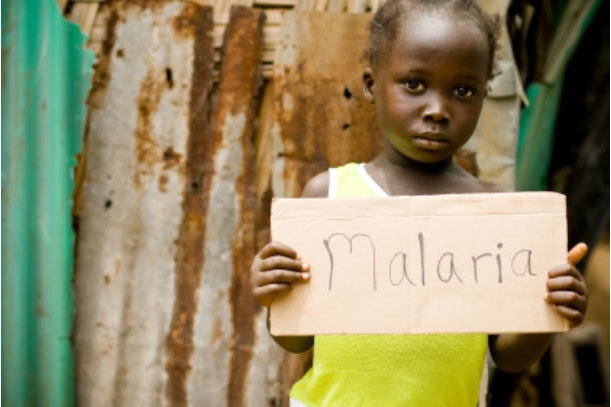
Adesina urges African entrepreneurs to invest in anti-malaria drugs
Summary
At least 79% of the drugs consumed on the continent are imported from India and China.
The President of the African Development Bank, Akinwumi Adesina, has advised on the local manufacturing of low-cost generic medicines to facilitate access to malaria treatment in Africa.
Adesina spoke on Sunday at the African Leaders Malaria Alliance (ALMA) work luncheon on the sidelines of the African Union Summit in Addis Ababa, Ethiopia.
Malaria strains national economies and impoverishes households, Adesina said in his statement, adding that the economic impact of the tropical disease is estimated to cost Africa $12 billion every year, impacting some nations’ gross domestic product by as much as 5-6%.
To facilitate access to treatment to as many people as possible on the continent, ownership by African pharmaceutical entrepreneurs of the local production of low-cost generic anti-malarial drugs is imperative, President Adesina said.
Available statistics has it that at least 79% of the drugs consumed on the continent are imported from India and China. The local manufacture of anti-malaria medicines would make them affordable to most Africans families.
“African entrepreneurs – especially those already active in the pharmaceutical industry – should be able to reduce this startling trade deficit by investing in local manufacturing of generic medicines,” Adesina said. “The size of Africa’s pharmaceutical market could grow from $30 billion in 2016 to $40 billion in 2020, given the large proportion of Africans buying malaria medicines and treatments.”
ALMA is a coalition of 49 African Heads of State and Government established in 2009 and working across country and regional borders to eliminate malaria by 2030. It was inspired by the African Union vision of an Africa free of malaria and guided by the World Health Organization’s Global Technical Strategy for Malaria 2016-2030.
Related
-
Malaria cases in children decline in Katsina State
Malaria accounts for 30 percent of all childhood deaths and 25 percent of deaths in children under the age of one.
-
Healthy food choices during COVID-19 pandemic
Generally, certain foods have been linked to reducing the impact of some chronic disease conditions, while others have been ...
-
Rotary pledges $96.5 million in grants to eradicate polio
Nigeria has been apportioned $16.1 million of the grants, while Afghanistan will receive $22.9 million.
Sustainable Development Section Sponsor
-
Access Bank Plc ...Financing the future

Most Popular