
Kenyan firm begins production of synthetic fuel from plastic waste
Summary
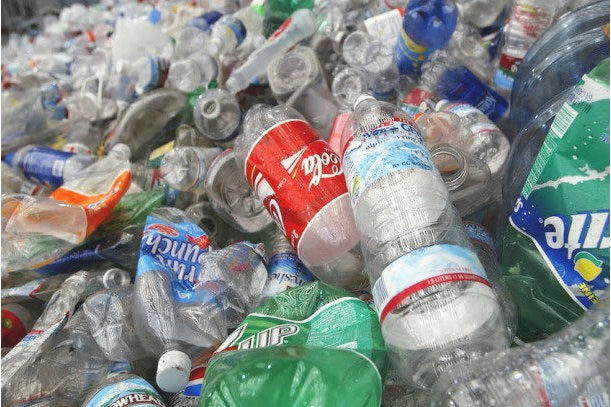
The AES commercial plastic-waste-to-synthetic-fuel conversion project is the first of its kind in Africa.
Alternative Energy Systems (AES), a Kiambu County-based plant in Kenya, has commenced test runs on its plant, which converts plastic waste into synthetic fuel, according to a statement issued by the company on Monday. AES said the test runs are taking place ahead of the official commissioning of the plant in March.
Chief Executive Officer of AES, Rajesh Kent, said the plant has a capacity to recycle 16 tonnes of plastic waste per day and can convert all types of waste plastic including thin-gauge plastic waste below 30 microns. The AES plant utilises a conversion technology that requires heating waste plastics under controlled conditions to produce a synthetic oil similar to industrial diesel oil (IDO) and heavy fuel oil (HFO) used in industrial power plants, furnaces and boilers.
"This technology will be transformational in how we handle plastics in this country and Kenya will be used as a benchmark on the continent,” said Kent.
The commercial plastic-waste-to-synthetic-fuel conversion project is the first of its kind in Africa. A similar project is underway in South Africa. Kenya’s Industrial and Commercial Development Corporation (ICDC), has invested an estimated 46% of the required financing for execution of the project.
It is estimated that the project will provide over 1,500 jobs indirectly through plastic waste collection – the raw material used by the plant. In addition, 65 direct jobs will be created in machinery operations and other in-plant duties.
In Kenya, over 24 million plastic bags are used monthly, half of which add up to mainstream solid waste, according to the Green Belt Movement (GBM), an environmental organization founded by Nobel Prize winner, Wangari Maathai. The indiscriminate disposal of plastic bags constitutes a critical challenge to solid waste management in the country. A County Plastic Control Bill 2016 proposes to charge Kenyan shoppers for non-biodegradable or plastic bags. Manufactures who produce or have a high demand for the use of plastic bags will be required to recommend prices appropriate to the size and quality of the bags. Revenues generated from the extra cost on plastic bags, will be earmarked for waste management.
“We know that counties experience myriad challenges dealing with plastic waste. However, our investment in this sector will see them not only save a lot, but facilitate communities to generate wealth from plastic waste in line with our goal of turning ideas into wealth,” said ICDC's Acting Executive Director, Kennedy Wanderi.
Related
-
US agency awards grant to Dangote Industries for solar project in Kano
USTDA said the grant for the Kano Grid Connection feasibility study will assess the transmission system's capacity.
-
SunFunder makes first investment in Nigeria with solar developer Daystar Power
SunFunder and Daystar said they were also well aligned on gender parity. Both companies boast leadership teams comprising ...
-
IFC, FMO invest in Mobisol to deliver solar energy in East Africa
IFC and FMO invested €14.6 million in Mobisol to deliver pay-as-you-go solar energy services to off-grid communities ...

Sustainable Development Section Sponsor
-
Access Bank Plc ...Financing the future

Most Popular
- The imperatives of an integrated Eastern Africa power market
- Ecobank raises $450 million in world’s first Nature Bond on London Stock Exchange
- Electrification must lead the next phase of energy transition – IRENA
- Nigeria emerges as the world’s most generous country
- Africa health R&D investment could add $668 billion to GDP, report says
- Africa CDC welcomes $220 million boost for Ebola outbreak response
- ILO adopts landmark treaty on gig work